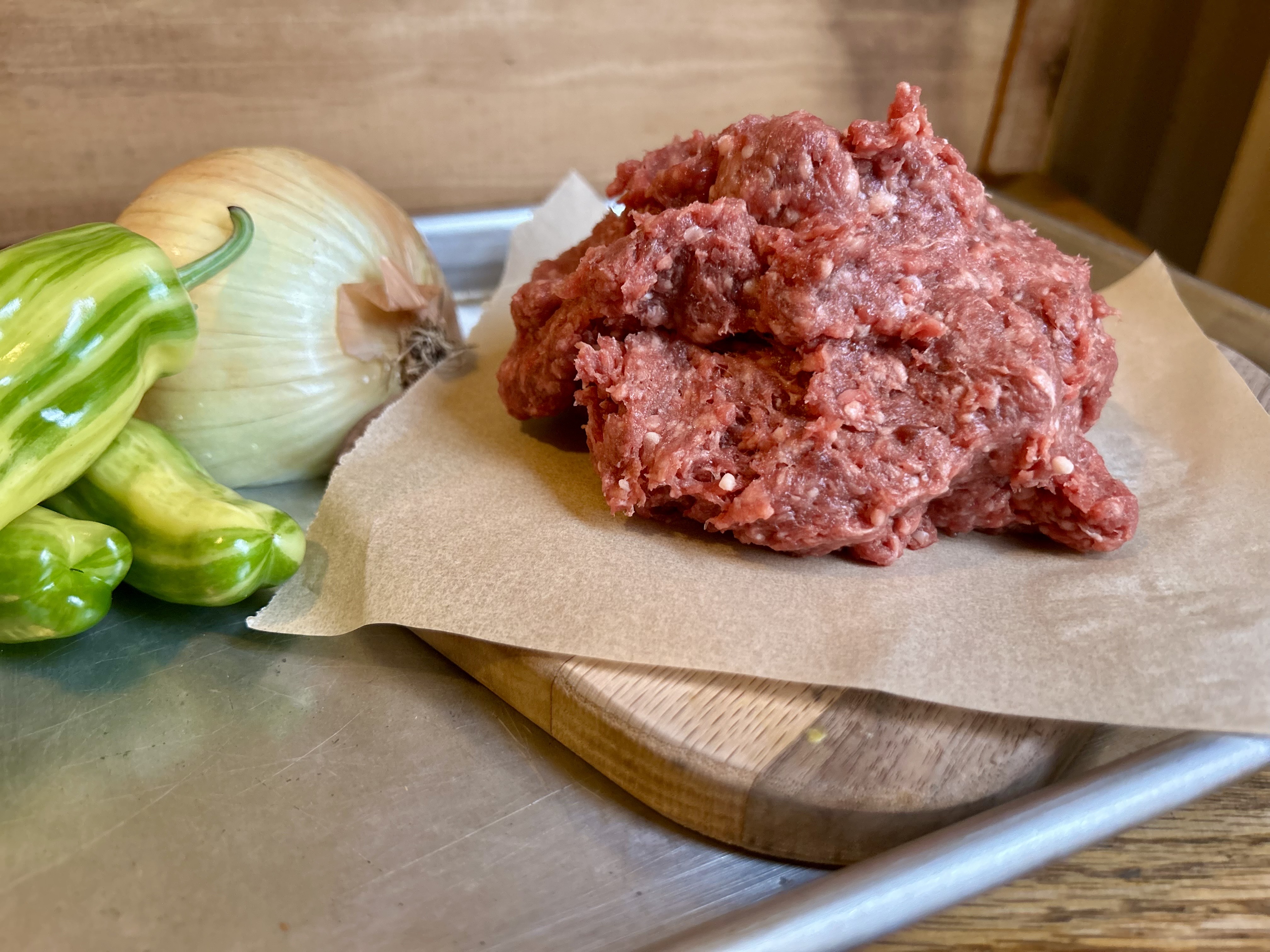
In recent years, consumer awareness regarding food sources and quality has been on the rise. Among the discussions surrounding sustainable and healthy eating, grass-fed beef has emerged as a superior choice for many. This shift is not just a trend but a return to traditional farming practices that offer numerous benefits. This article delves into the reasons why grass-fed beef is considered a premium choice, examining its environmental, health, and ethical advantages.
Health Benefits of Grass-Fed Beef
Grass-fed beef is renowned for its nutritional superiority over grain-fed alternatives. The diet of cattle significantly impacts the nutritional content of their meat, making grass-fed beef a healthier option for consumers.
- Higher in Omega-3 Fatty Acids: Grass-fed beef contains higher levels of omega-3 fatty acids, which are crucial for heart health and reducing inflammation.
- Rich in Antioxidants: The meat is abundant in antioxidants such as Vitamin E, which help in fighting off free radicals and promoting overall health.
- Lower in Saturated Fats: It typically has a lower saturated fat content compared to grain-fed beef, which is beneficial for maintaining a healthy cholesterol balance.
- More Conjugated Linoleic Acid (CLA): Grass-fed beef is a good source of CLA, a fatty acid that has been linked to reduced cancer risks and improved immune function.
For those interested in the specific nutritional makeup and benefits of grass-fed beef, Discover expert strategies here.
Environmental Impact
Sustainable Farming Practices
Grass-fed beef production is aligned with sustainable agricultural practices, which are critical for environmental preservation.
- Reduced Carbon Footprint: Grass-fed systems typically require fewer fossil fuels compared to intensive grain-fed operations.
- Natural Grazing: Cattle graze on pasture, which promotes natural land use and reduces the need for synthetic fertilizers and pesticides.
- Improved Soil Health: The rotational grazing methods used in grass-fed systems help in maintaining soil fertility and biodiversity.
For more insights on sustainable farming practices, Explore advanced guides and tips.
Ethical Considerations
Choosing grass-fed beef also involves ethical considerations, with a focus on animal welfare and humane treatment.
- Free-Range Lifestyle: Grass-fed cattle are raised on open pastures, allowing them to engage in natural behaviors, which contributes to a higher quality of life.
- Minimal Stress: The stress levels in grass-fed cattle are generally lower, contributing to both animal welfare and the quality of the meat produced.
- Reduced Antibiotics and Hormones: Grass-fed cattle are less likely to be administered growth hormones and routine antibiotics, resulting in cleaner meat.
To understand more about ethical meat production, Find out more about this approach.
Conclusion
The choice of grass-fed beef over conventional grain-fed options is backed by a multitude of benefits, ranging from enhanced nutritional profiles to positive environmental impacts and ethical farming practices. By opting for grass-fed beef, consumers are not only making a healthier choice for themselves but are also contributing to a more sustainable and humane agricultural system. To delve deeper into how grass-fed beef can fit into a modern diet and lifestyle, Learn about our tailored solutions.
