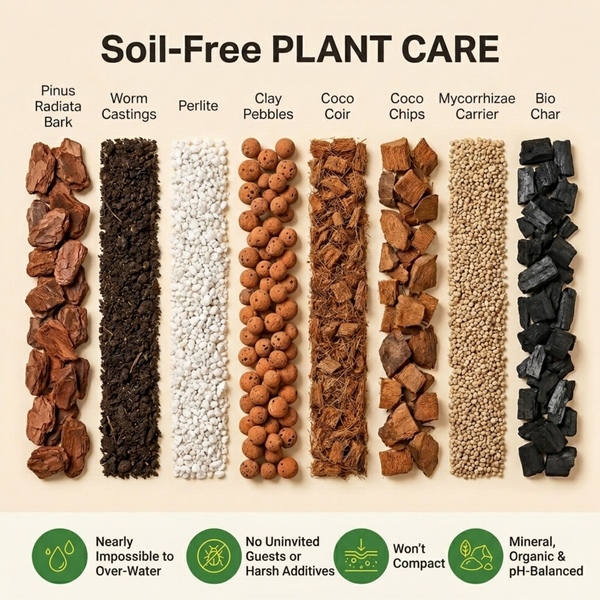
For those who cherish the beauty of tropical plants, the importance of using the right potting soil cannot be overstated. Tropical plants thrive in specific soil conditions that mimic their natural habitat, making it crucial to choose the right mix for successful growth. This guide aims to provide comprehensive insights into selecting the best potting soil for tropical plants, ensuring their lush foliage and vibrant blooms are maintained.
Understanding Tropical Plant Potting Soil
Tropical plant potting soil is more than just a medium for anchoring plants. It plays a vital role in water retention, nutrient supply, and root aeration. Differentiating between the various options available can significantly enhance plant health and vitality.
Key Components to Look For
- Drainage: Tropical plants often require well-draining soil to prevent root rot. Look for a mix that includes materials like perlite or pumice.
- Aeration: A chunky aroid potting mix enhances aeration, promoting healthy root growth.
- Organic Matter: The presence of organic matter such as peat moss or coconut coir improves water retention and nutrient availability.
- Nutrient Content: Check for added nutrients or consider supplementing with fertilizers to ensure your tropical plants receive adequate nourishment.
Choosing the Best Tropical Potting Mix
Selecting a tropical potting mix involves evaluating the specific needs of your plants. Here are essential factors to consider:
Plant Type
- Aroids: These plants, including philodendrons and monsteras, benefit from an aroid potting mix that offers excellent drainage and aeration.
- Ferns: Ferns prefer a soil mix with higher moisture retention, incorporating elements like sphagnum moss.
- Orchids: Opt for a bark-based mix that facilitates ample air circulation around the roots.
Environmental Conditions
- Humidity: High humidity environments may require a soil mix with more drainage to prevent excess moisture retention.
- Light: Plants in low-light conditions might need a mix with enhanced aeration to compensate for slower drying rates.
Maintaining Your Tropical Plant Soil
Once the right tropical plant soil is selected, ongoing maintenance will ensure its effectiveness:
- Regular Repotting: Repot tropical plants every 1-2 years to refresh the soil and provide additional nutrients.
- Monitoring Moisture: Use a moisture meter to avoid overwatering and maintain optimal soil conditions.
- Avoiding Compaction: Loosen the top layer of soil periodically to improve aeration and prevent compaction.
Conclusion
Choosing the right tropical plant potting soil is crucial for the health and beauty of your plants. By understanding the specific needs of different tropical species and maintaining appropriate environmental conditions, plant enthusiasts can ensure their tropical plants will thrive. Explore various tropical potting mix options to find the ideal solution that supports lush growth and vibrant foliage.
