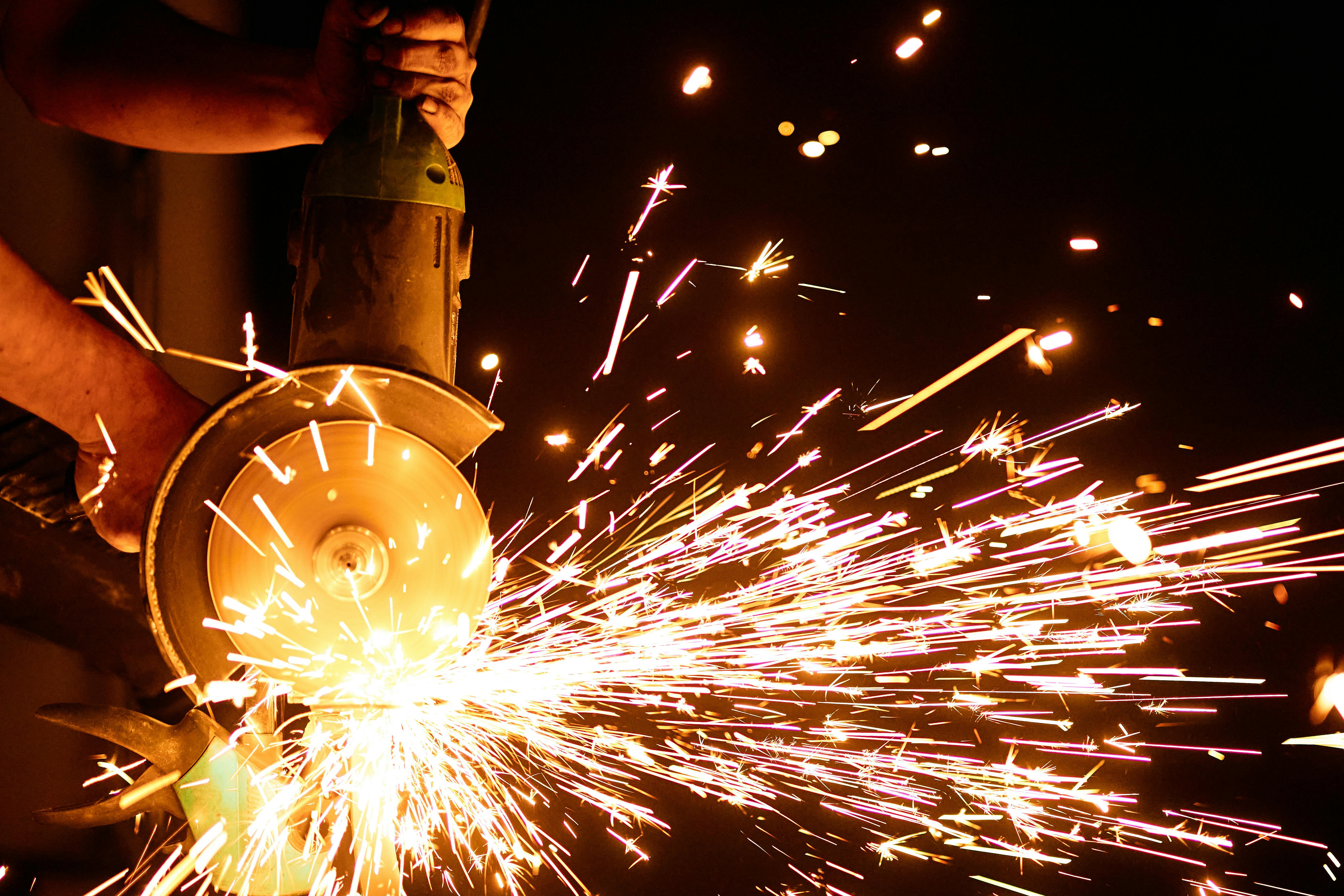
Grinding tools are essential in metalworking, offering precision and efficiency for a variety of tasks. Whether working on a large-scale industrial project or a small-scale DIY endeavor, selecting the right grinding tool is crucial for achieving the desired finish and maintaining productivity. This guide delves into the types, uses, and maintenance of grinding tools, ensuring users can maximize their tool’s performance and lifespan.
Types of Grinding Tools
Grinding tools come in several varieties, each suited to specific tasks and materials. Understanding these types can help in selecting the right tool for the job.
Angle Grinders
- Versatile tools used for cutting, grinding, and polishing metal.
- Available in different sizes, typically ranging from 4 to 9 inches.
- Ideal for both heavy-duty applications and intricate work.
Bench Grinders
- Stationary machines designed for shaping and sharpening metal tools.
- Feature two grinding wheels for versatility in operations.
- Suitable for sharpening blades and other metal tools.
Die Grinders
- Compact, handheld tools used for precision grinding and polishing.
- Perfect for working in tight spaces and on intricate metalwork.
- Utilize various attachments for diverse applications.
Choosing the Right Grinding Tool
Selecting the appropriate grinding tool depends on several factors including material type, desired finish, and project scale. For a comprehensive guide on selecting the right tool, discover expert strategies here.
Material Considerations
- Metal hardness can dictate the type of abrasive used.
- Stainless steel requires different grinding discs than softer metals like aluminum.
Finish Requirements
- Coarse finishes may require different tools than smooth, polished surfaces.
- The choice of grit size influences the final texture.
Maintenance and Safety Tips
To ensure the longevity and safety of grinding tools, regular maintenance and adherence to safety protocols are necessary. For detailed maintenance tips, explore advanced guides and tips.
Regular Inspections
- Inspect grinding wheels for cracks or damage before use.
- Ensure all components are securely fastened.
Proper Use and Handling
- Always wear appropriate personal protective equipment (PPE).
- Follow manufacturer’s guidelines for tool operation.
Storage and Care
- Store tools in a dry, secure location to prevent damage.
- Regularly clean and lubricate moving parts to maintain functionality.
Grinding tools are indispensable in metalworking, offering a combination of power and precision. By understanding the different types of grinding tools, how to choose the right one, and maintaining safety and functionality, users can effectively enhance their metalworking projects. For more insights into grinding tool applications, find out more about this approach.
