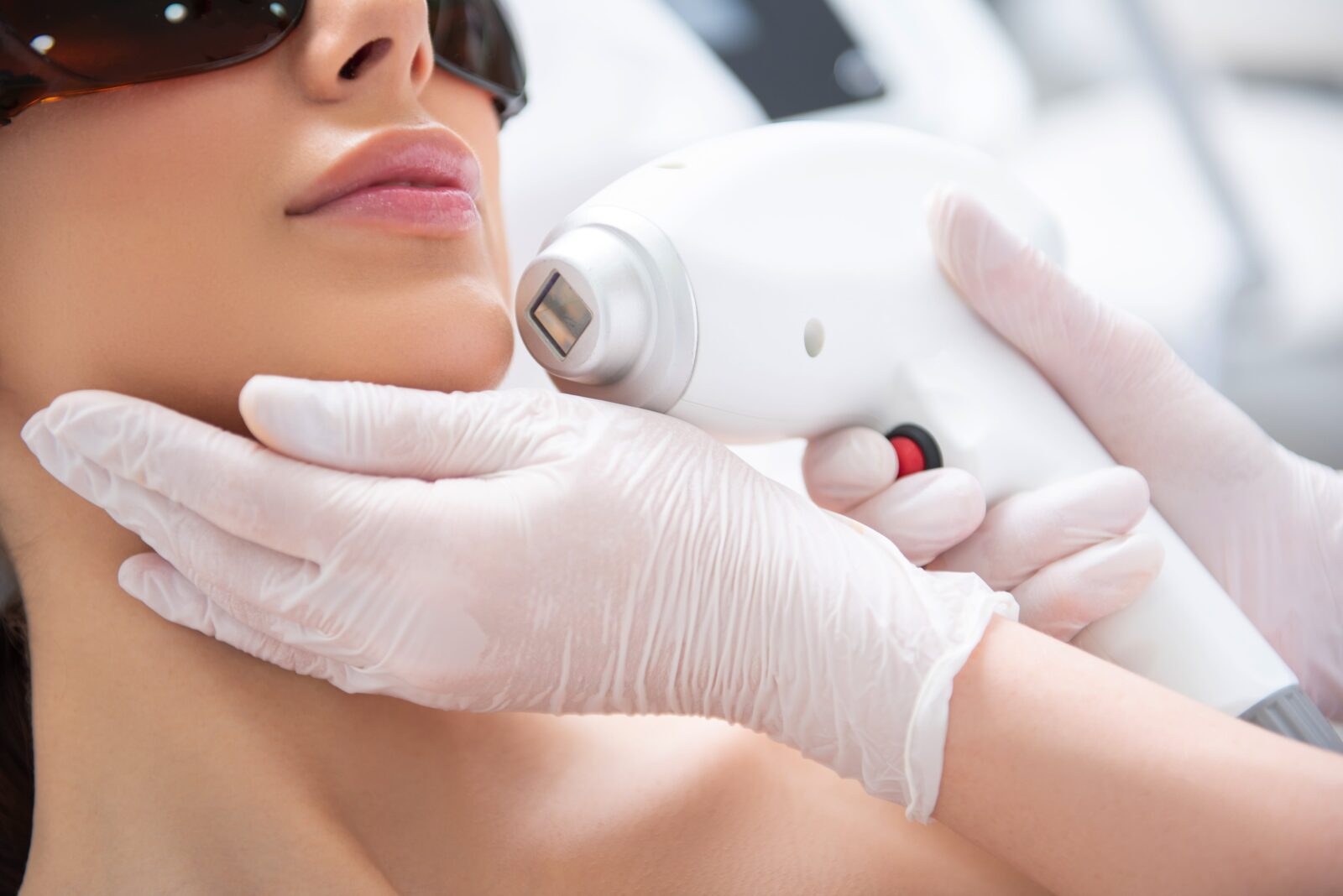
In recent years, the beauty and skincare industry has witnessed a surge in innovative treatments designed to combat the signs of aging and improve the skin’s texture. One such treatment that has garnered significant attention is fractional skin treatment. This advanced procedure has become a popular choice for individuals seeking to enhance their skin’s appearance without undergoing invasive surgeries. Understanding the nuances of this treatment can help individuals make informed decisions about their skincare routines.
What is Fractional Skin Treatment?
Fractional skin treatment is a non-invasive procedure that uses laser technology to target specific areas of the skin, promoting cell regeneration and collagen production. Unlike traditional laser treatments that affect the entire surface, fractional lasers create microthermal zones, leaving surrounding tissue untouched. This approach accelerates healing and reduces downtime.
Benefits of Fractional Skin Treatment
- Improves skin texture and tone
- Reduces the appearance of fine lines and wrinkles
- Minimizes pore size
- Enhances overall skin radiance
- Targets acne scars and hyperpigmentation
For those interested in exploring this treatment further, more information can be found on fractional skin treatment options available at specialized clinics.
How Does It Work?
The fractional laser uses concentrated beams of light to penetrate the skin’s surface, creating thousands of tiny, controlled injuries. These micro-injuries trigger the body’s natural healing process, stimulating the production of new collagen and elastin fibers. As the skin heals, it becomes smoother and more rejuvenated.
Types of Fractional Lasers
- Ablative Lasers: These lasers remove thin layers of skin and are typically used for more severe skin issues.
- Non-Ablative Lasers: These lasers heat the underlying skin tissue without removing layers, focusing on collagen production.
- Fractional CO2 Lasers: Known for their effectiveness in treating deeper wrinkles and scars.
Choosing the right type of laser depends on the individual’s skin type and the specific concerns they wish to address.
What to Expect During and After Treatment
Before undergoing fractional skin treatment, a consultation with a qualified dermatologist or skincare specialist is essential. During the session, a topical anesthetic may be applied to minimize discomfort. The procedure duration varies depending on the treatment area but typically lasts between 20 to 60 minutes.
Post-treatment, patients may experience redness and swelling similar to a mild sunburn. These symptoms usually subside within a few days. It’s crucial to follow post-care instructions, which may include:
- Avoiding sun exposure
- Applying prescribed topical ointments
- Using gentle skincare products
Results become more apparent as the skin heals, with improvements typically visible within a few weeks.
Considerations and Precautions
Fractional skin treatment is generally safe for most skin types, but certain precautions should be considered:
- Individuals with active skin infections or severe acne should avoid the procedure.
- Pregnant or breastfeeding women should consult their healthcare provider before treatment.
- Avoid using retinoids or other harsh skincare products before and after the procedure.
Consulting with a professional ensures that the treatment is tailored to individual skin needs, maximizing its benefits.
Conclusion
Fractional skin treatment offers a promising solution for those looking to address various skin concerns without undergoing invasive procedures. By understanding the process and taking necessary precautions, individuals can achieve smoother, more youthful-looking skin. For those eager to explore this innovative approach, consulting with a skincare expert can provide personalized guidance and optimal results.
