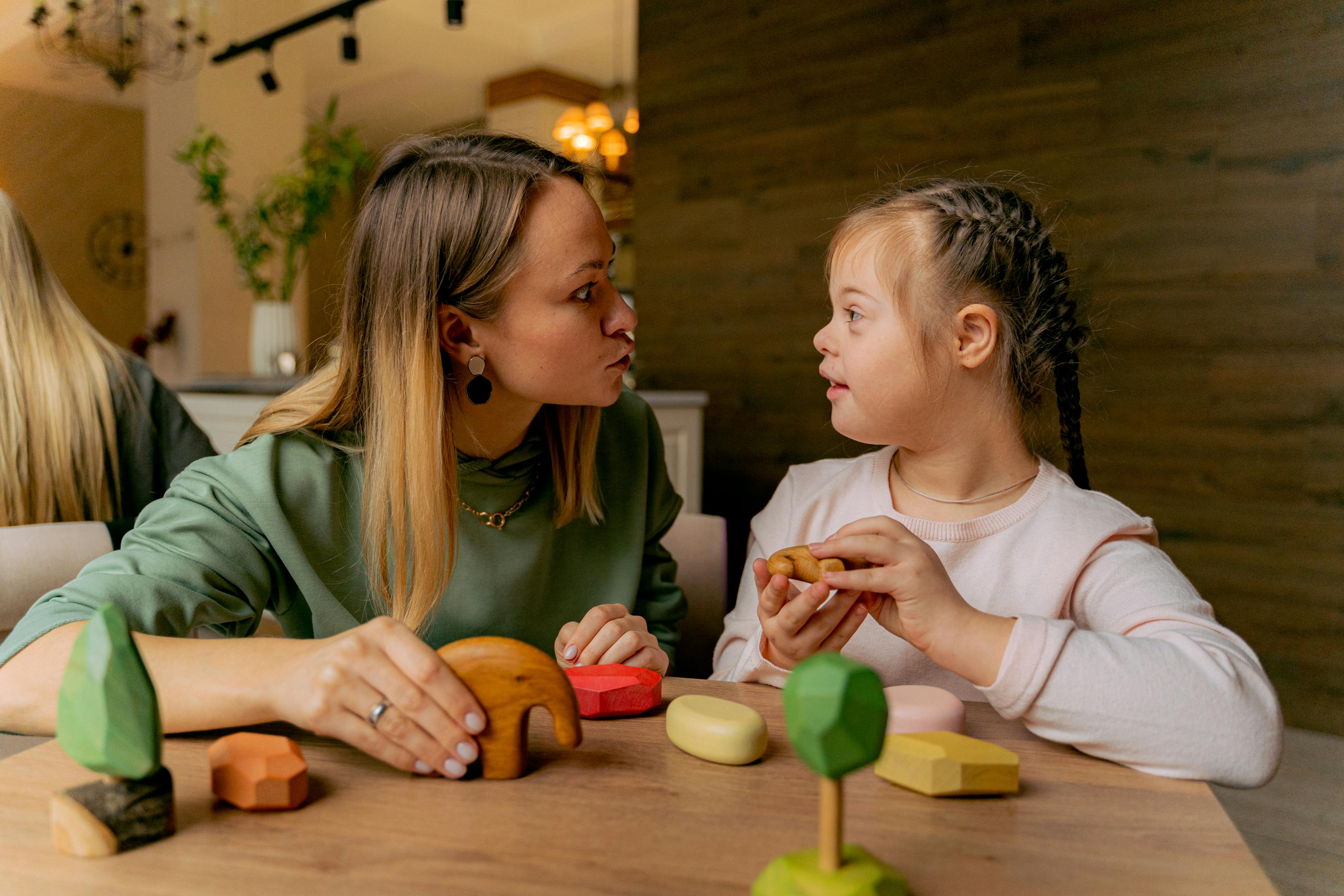
Applied Behavior Analysis (ABA) therapy is a widely recognized and effective approach for helping children with autism spectrum disorder (ASD) develop essential life skills. It is a scientific discipline that focuses on improving specific behaviors, such as social skills, communication, reading, and academics, as well as adaptive learning skills like fine motor dexterity, hygiene, grooming, domestic capabilities, punctuality, and job competence. ABA therapy is tailored to the individual’s needs, making it a versatile and personalized approach. Discover expert strategies here to understand how ABA therapy can be an integral part of a child’s developmental journey.
Understanding ABA Therapy
ABA therapy is grounded in the principles of behaviorism, a theory of learning based on the idea that all behaviors are acquired through conditioning. Here are fundamental elements of ABA therapy:
- Positive Reinforcement: This involves rewarding desired behaviors to encourage their recurrence.
- Data Collection and Analysis: Therapists collect data on the child’s behavior and learning patterns to tailor the therapy accordingly.
- Individualized Treatment Plans: Each child receives a customized plan that suits their unique needs and goals.
- Skill Generalization: Therapists teach skills in a variety of settings to ensure the child can apply them in real-world situations.
Benefits of ABA Therapy for Children with Autism
Improvement in Social Skills
ABA therapy is instrumental in enhancing social interactions for children with autism. By focusing on social cues, communication, and peer interaction, children can learn how to effectively engage with others in various social contexts. These improvements can lead to better relationships and increased participation in group activities. Learn about our tailored solutions for fostering social skills through ABA therapy.
Enhanced Communication Abilities
Many children with autism experience challenges in verbal and non-verbal communication. ABA therapy addresses these challenges by teaching children how to express their needs and feelings clearly and appropriately. This can lead to significant improvements in both expressive and receptive language skills. Explore advanced guides and tips on enhancing communication through ABA therapy.
Behavioral Improvements
ABA therapy is highly effective in reducing problematic behaviors and replacing them with positive ones. By understanding the root causes of certain behaviors and implementing strategies to address them, children can develop healthier behavioral patterns. This approach not only helps children but also provides relief to families who may struggle with managing these behaviors at home. Find out more about this approach to managing behaviors effectively.
Development of Life Skills
ABA therapy helps children acquire essential life skills that are crucial for independence. These skills include self-care routines, academic skills, and job-related tasks. By focusing on these areas, children can gain confidence and a sense of accomplishment, preparing them for future challenges. Learn about our tailored solutions for teaching life skills through ABA therapy.
Conclusion
ABA therapy offers a comprehensive and structured approach to supporting children with autism. By focusing on individualized treatment plans and evidence-based techniques, it fosters significant improvements in various aspects of a child’s life. Whether it’s enhancing social skills, communication abilities, or life skills, ABA therapy can make a profound difference. For families seeking effective intervention strategies, explore advanced guides and tips to understand how ABA therapy can benefit their children.
