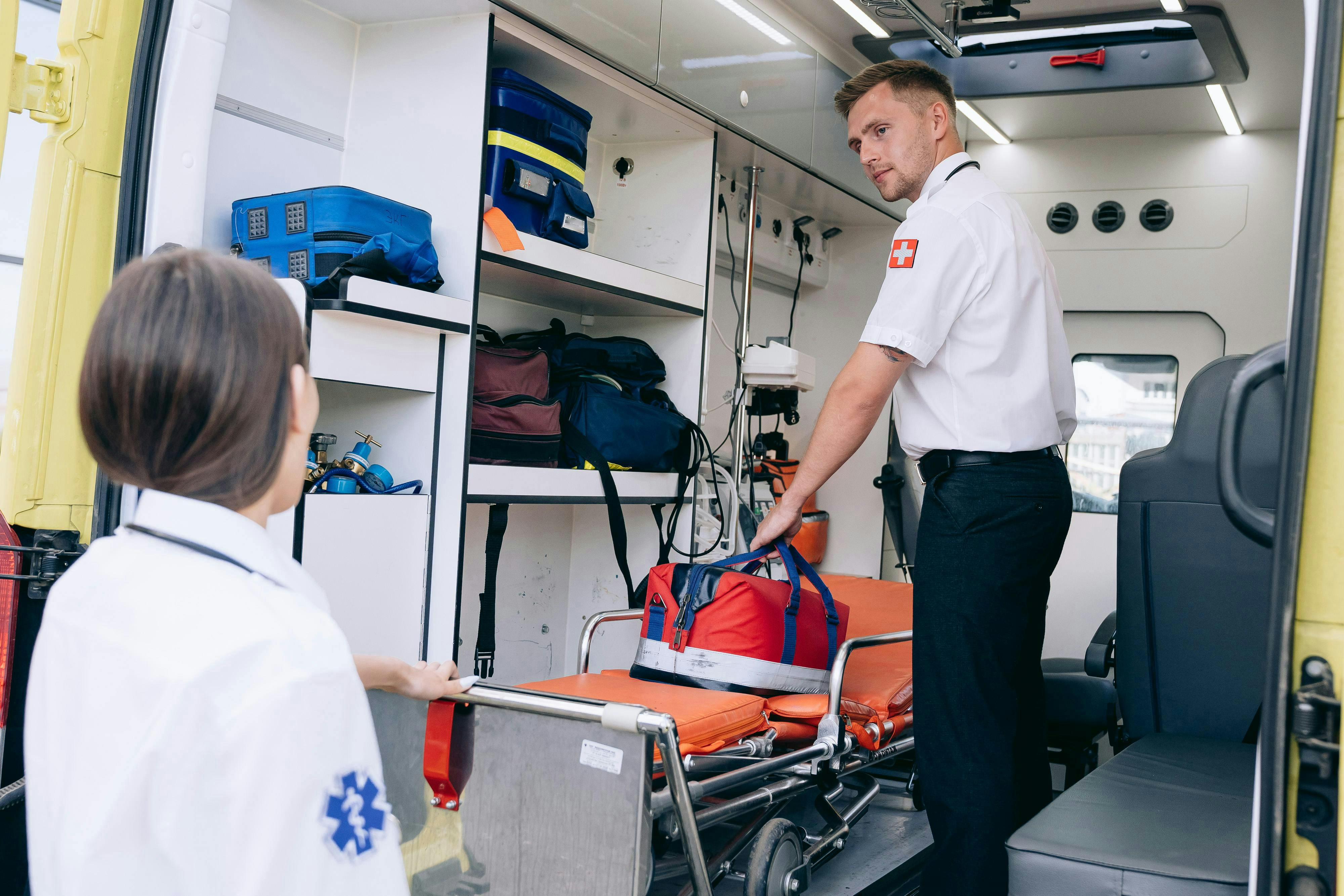
In a world where health emergencies can strike unexpectedly, being prepared is not just advisable; it’s essential. An emergency oxygen kit is a crucial component of any comprehensive emergency preparedness plan. Such a kit can be a lifesaver, providing critical respiratory support when every second counts. Whether for individuals with respiratory conditions, high-altitude travelers, or simply as a precautionary measure, understanding the importance of these kits can make a significant difference in an emergency scenario.
Why You Need an Emergency Oxygen Kit
Emergencies that compromise breathing can arise from various situations, including medical conditions, environmental factors, or accidents. Here are some reasons why having an emergency oxygen kit is vital:
- **Respiratory Conditions**: Individuals with conditions such as asthma, COPD, or emphysema are at a higher risk of experiencing sudden breathing difficulties.
- **High-Altitude Travel**: Oxygen levels decrease at higher altitudes, posing a risk to individuals who are not acclimatized.
- **Pollution and Smoke**: In urban areas or during wildfires, air quality can deteriorate rapidly, making breathing difficult.
- **Medical Emergencies**: Conditions like heart attacks or severe allergic reactions can lead to respiratory distress.
Components of a Standard Emergency Oxygen Kit
A well-equipped emergency oxygen kit typically contains several essential components, each serving a specific purpose in ensuring effective oxygen delivery:
- **Oxygen Cylinder**: The core of the kit, providing a portable source of oxygen.
- **Regulator**: Controls the flow of oxygen from the cylinder.
- **Oxygen Mask or Nasal Cannula**: Used to deliver oxygen to the person in need.
- **Carrying Case**: Ensures the kit is portable and easy to transport.
- **Instruction Manual**: Provides guidance on how to use the kit effectively during an emergency.
Using an Emergency Oxygen Kit Effectively
Step-by-Step Guide
Proper usage of the kit is crucial to ensuring the safety and well-being of the individual in distress. Here’s a quick guide:
- **Assess the Situation**: Determine if the individual is in need of oxygen support.
- **Prepare the Kit**: Ensure the kit is fully functional, checking the oxygen levels and ensuring all components are intact.
- **Administer Oxygen**: Use the mask or nasal cannula to deliver oxygen, following the instructions provided.
- **Monitor**: Keep a close watch on the individual’s condition while administering oxygen.
- **Seek Professional Help**: Call emergency services for further assistance if necessary.
Maintaining Your Emergency Oxygen Kit
Regular maintenance of an emergency oxygen kit is essential to ensure it functions correctly when needed. Consider the following maintenance tips:
- **Regular Checks**: Periodically check the oxygen levels in the cylinder and refill when necessary.
- **Component Inspection**: Ensure all parts, including the regulator and masks, are in good condition.
- **Storage**: Keep the kit in a cool, dry place away from direct sunlight and potential hazards.
- **Training**: Familiarize yourself and others in your household with the kit’s usage.
Conclusion
Being prepared with an emergency oxygen kit is a proactive step towards safeguarding health and ensuring peace of mind during unforeseen circumstances. Understanding the importance, components, and usage of these kits can empower individuals to act swiftly and effectively in emergencies. As the adage goes, it’s always better to be safe than sorry, and with an emergency oxygen kit, safety is within reach.
