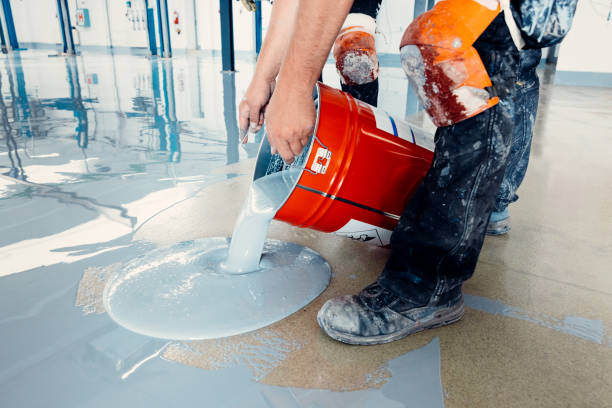
Concrete floor coating is a critical component in extending the life of commercial, industrial, and residential flooring systems. By providing a protective barrier against wear, chemicals, and moisture, coatings enhance durability, improve safety, and contribute to a more attractive appearance. Understanding the various types of coatings, preparation steps, and maintenance requirements helps property owners make informed decisions that balance cost, performance, and aesthetic goals.
Why Choose Professional Concrete Floor Coating?
When a concrete slab is exposed to heavy traffic, spills, or environmental stressors, its surface can deteriorate quickly. Professional coating services address these challenges through systematic preparation, precise application, and quality control. The benefits include:
- Increased resistance to abrasion and impact.
- Enhanced chemical and oil resistance.
- Improved slip resistance for safety compliance.
- Extended service life, reducing long-term replacement costs.
- Customizable aesthetics such as color, gloss, and texture.
Common Types of Concrete Floor Coatings
Epoxy Coatings
Epoxy systems are among the most popular choices due to their strong adhesion and high durability. They consist of a resin and hardener that chemically react to form a rigid, glossy surface. Epoxy is well-suited for warehouses, garages, and manufacturing facilities where heavy loads and chemical exposure are common.
Polyurea and Polyurethane Coatings
Polyurea offers rapid curing times and excellent flexibility, making it ideal for environments with temperature fluctuations. Polyurethane provides UV stability and a slightly softer finish, often selected for retail spaces or areas where a subtle sheen is desired.
Learn more in this detailed guide.
Polished Concrete
Polished concrete involves grinding and sealing the slab to achieve a high-gloss finish without additional coating layers. While it relies on the inherent strength of the concrete, it still benefits from a protective sealant to guard against stains.
Explore further insights here.
Key Steps in the Coating Process
- Surface Assessment: Identify cracks, moisture issues, and contaminants that could affect adhesion.
- Concrete Preparation: Grind, shot-blast, or acid-etch the surface to achieve the recommended profile.
- Repair and Patch: Fill cracks and voids with appropriate epoxy or polyurethane fillers.
- Moisture Testing: Perform calcium chloride or relative humidity tests to ensure the slab is dry enough for coating.
- Primer Application: Apply a compatible primer to promote bonding between the substrate and the topcoat.
- Topcoat Installation: Apply the selected coating system in the correct number of layers, observing recommended cure times.
- Finishing Touches: Add decorative flakes, anti-slip aggregates, or color tinting as required.
- Cure and Inspection: Allow the coating to fully cure before traffic is re-introduced, then conduct a thorough inspection for defects.
Maintenance Best Practices
Even the most robust coating systems require regular upkeep to preserve performance. Recommended maintenance includes:
- Prompt removal of spills using pH-neutral cleaners.
- Periodic dust mopping and occasional wet cleaning with mild detergents.
- Annual inspection for delamination, wear, or surface discoloration.
- Re-application of a thin protective sealant every 3-5 years, depending on traffic levels.
Find additional information here.
Factors Influencing Cost and Selection
Choosing the right coating involves balancing budget constraints with performance expectations. Consider the following variables:
- Substrate Condition: Poorly prepared concrete may require extensive repair, increasing labor costs.
- Traffic Load: High-impact areas demand thicker, more durable systems.
- Environmental Exposure: Areas prone to chemicals, UV light, or moisture need specialized formulations.
- Aesthetic Preferences: Color, gloss level, and decorative elements affect material selection.
- Installation Timeline: Fast-curing polyurea may be chosen when downtime must be minimized.
Conclusion
Professional concrete floor coating services provide a strategic solution for protecting and enhancing concrete substrates across a wide range of applications. By selecting the appropriate coating type, following a disciplined preparation and application process, and committing to regular maintenance, property owners can achieve long-lasting performance and visual appeal. For deeper insight into specific coating technologies and best-practice guidelines, refer to reputable industry resources and technical manuals.
