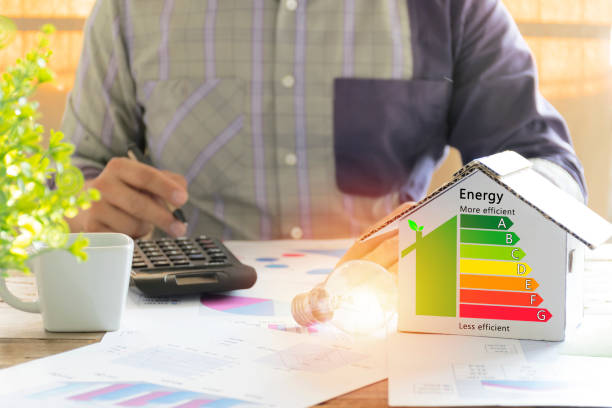
In an era where energy efficiency is not only environmentally responsible but also financially rewarding, many homeowners are turning towards professional services to optimize their energy usage. Among these services, a home energy audit stands out as a comprehensive approach to identifying inefficiencies and implementing solutions that can lead to significant cost savings. By engaging a home energy audit company, homeowners can uncover hidden energy drains and receive expert recommendations tailored to their specific needs.
Understanding Home Energy Audits
A home energy audit is a thorough assessment of a home”?s energy consumption patterns. The goal is to pinpoint areas where energy is wasted and propose actionable solutions to improve efficiency. This evaluation is typically performed by certified professionals who employ advanced diagnostic tools and techniques.
Key Components of an Energy Audit
- Inspection of Insulation: Ensuring that walls, attics, and floors have adequate insulation to prevent heat loss.
- Evaluation of HVAC Systems: Assessing the efficiency of heating, ventilation, and air conditioning systems.
- Lighting Assessment: Analyzing the impact of lighting fixtures and recommending energy-efficient alternatives.
- Appliance Efficiency Check: Reviewing the energy consumption of household appliances.
- Air Leakage Identification: Detecting drafts and leaks around windows, doors, and other openings.
Financial Benefits of a Home Energy Audit
Implementing the recommendations from a home energy audit can lead to substantial savings on utility bills. Here are some financial benefits homeowners can expect:
- Reduced Energy Bills: By addressing inefficiencies, homeowners can significantly cut down their monthly energy expenses.
- Increased Property Value: Energy-efficient homes are more attractive in the real estate market, potentially boosting property value.
- Eligibility for Rebates and Incentives: Many regions offer financial incentives for energy-efficient upgrades, further reducing costs.
Long-term Savings
While the initial investment in a home energy audit might seem like an added expense, the long-term savings can far outweigh the costs. By systematically reducing energy waste, homeowners can enjoy decreased energy bills year after year. Moreover, with energy prices on the rise, investing in efficiency now can protect against future cost increases.
Environmental Impact
Beyond financial savings, a home energy audit contributes to a reduced carbon footprint. By identifying and mitigating energy waste, homeowners can lower their greenhouse gas emissions. This not only benefits the environment but also aligns with global efforts towards sustainability and conservation.
Community Benefits
Engaging in energy-saving initiatives can also have positive effects on the community. Reduced energy consumption decreases the demand on local power grids, contributing to more stable and reliable energy supplies. This collective effort can lead to a healthier, more sustainable community environment.
Conclusion
In conclusion, partnering with a home energy audit company is a strategic decision for homeowners looking to maximize efficiency and minimize costs. By identifying areas of energy waste and implementing expert recommendations, homeowners can achieve significant financial savings while also contributing to a healthier planet. Embracing energy efficiency not only benefits individual households but also plays a crucial role in the broader movement towards sustainable living.
