The human body’s lower limbs are crucial for mobility, providing support, balance, and propulsion. However, they are also susceptible to various injuries and conditions, ranging from acute injuries like sprains and fractures to chronic issues such as arthritis and tendinitis. Addressing these problems effectively requires a comprehensive understanding of potential treatment options. This article delves into the various strategies available for treating lower limb ailments, providing insights into both traditional and modern approaches.
Physical Therapy and Rehabilitation
Physical therapy is a cornerstone in the treatment of lower limb issues. It involves a series of exercises and manual therapies designed to restore movement and function. Key advantages include:
- Improved flexibility and strength.
- Enhanced balance and coordination.
- Reduction in pain and inflammation.
- Prevention of future injuries through education and tailored exercises.
Discover expert strategies here to explore how physical therapy can be customized to individual needs.
Orthotic Devices
Orthotic devices, such as custom insoles and braces, play a significant role in supporting and realigning the lower limbs. They are particularly beneficial in managing conditions like plantar fasciitis, shin splints, and flat feet. Key benefits include:
- Providing arch support and reducing strain.
- Alleviating pain by redistributing pressure.
- Enhancing overall foot and ankle stability.
Learn about our tailored solutions here for personalized orthotic devices.
Medications and Injections
In some cases, medications are used to manage symptoms and facilitate recovery. Non-steroidal anti-inflammatory drugs (NSAIDs) are commonly prescribed to alleviate pain and reduce inflammation. Corticosteroid injections are another option, particularly effective in treating localized pain and swelling.
Find out more about this approach here to understand the role of medications in lower limb treatment.
Surgical Interventions
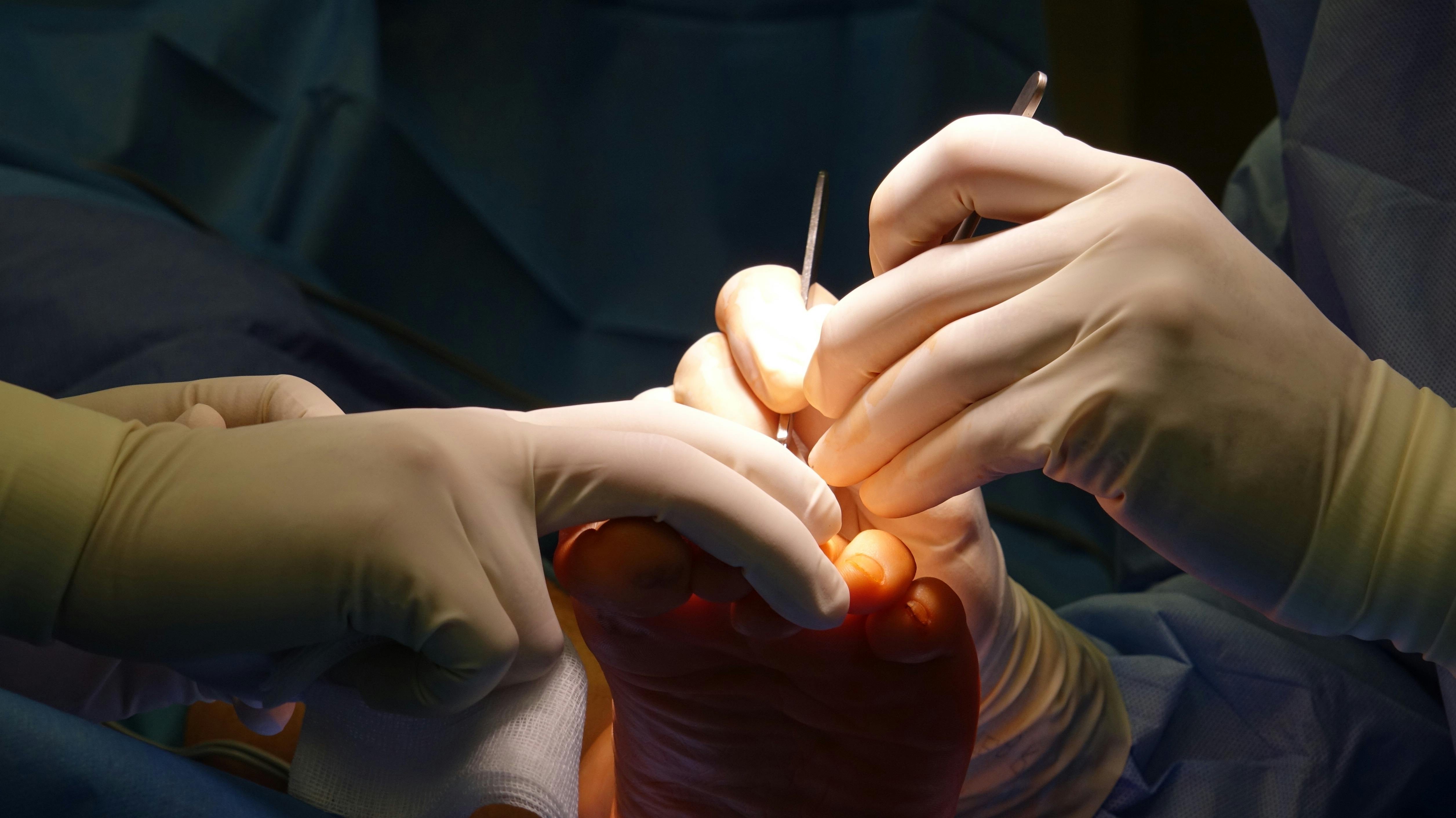
When conservative treatments fail to yield results, surgical interventions might be necessary. Procedures can range from minimally invasive arthroscopic surgeries to more complex reconstructive surgeries, depending on the severity and nature of the condition. Common surgical procedures include:
- Arthroscopic surgery for joint issues.
- Repair of torn ligaments or tendons.
- Fracture fixation using pins, screws, or plates.
Explore advanced guides and tips here for more information on surgical options.
Alternative and Complementary Therapies
Beyond conventional medicine, alternative therapies such as acupuncture, massage, and chiropractic care offer additional options for relief and recovery. These therapies can be beneficial in:
- Reducing chronic pain and inflammation.
- Improving circulation and promoting healing.
- Enhancing relaxation and reducing stress-related symptoms.
To learn more about incorporating these therapies, find out more about this approach.
The journey to effective lower limb treatment is multidimensional, involving a blend of traditional, modern, and complementary approaches. Each treatment option offers unique benefits tailored to individual patient needs, ensuring a comprehensive path to recovery. For anyone dealing with lower limb issues, exploring these options with a healthcare professional can pave the way for improved mobility and quality of life.
