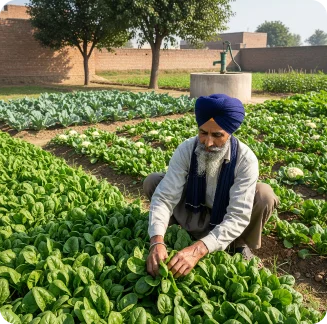
In recent years, the demand for eco-friendly produce has surged as consumers become increasingly conscious of their environmental impact and health. Supporting certified organic farmers is a crucial step towards fostering sustainable agriculture, preserving biodiversity, and ensuring the availability of nutritious food. This movement not only benefits the environment but also contributes to the economic prosperity of farmers who adopt organic practices. As more individuals become aware of the benefits of organic farming, the transition to sustainable agriculture is gaining momentum, offering a viable solution to some of the pressing challenges faced by modern agriculture.
Understanding Organic Farming
Organic farming is an agricultural method that emphasizes the use of natural processes and inputs, avoiding synthetic fertilizers, pesticides, and genetically modified organisms (GMOs). This approach aims to maintain ecological balance, promote biodiversity, and enhance soil fertility. Key principles of organic farming include:
- Utilizing crop rotation and cover crops to enrich soil nutrients.
- Implementing pest control through natural predators and biological diversity.
- Enhancing soil health by using organic compost and manure.
- Encouraging biodiversity to create a resilient farming ecosystem.
For those interested in exploring the foundational concepts of organic farming, find additional information here.
The Environmental Benefits of Organic Produce
Supporting certified organic farmers leads to significant environmental benefits that are crucial for the sustainability of our planet. Some of the key advantages include:
Soil Health and Fertility
Organic farming practices bolster soil health by increasing organic matter and microbial activity. This approach helps in preventing soil erosion and degradation, ensuring long-term fertility. By avoiding chemical inputs, organic farming preserves soil structure and promotes a healthier ecosystem.
Water Conservation
Organic farms typically use water more efficiently. By maintaining healthier soils, organic farmers can reduce water runoff and increase water retention. This practice not only conserves water but also minimizes the pollution of waterways with agricultural chemicals.
Reduced Carbon Footprint
Organic farming methods contribute to lower carbon emissions by reducing the dependency on fossil fuels and promoting carbon sequestration in the soil. By adopting these practices, farmers can play a significant role in mitigating climate change. Explore further insights here on the environmental impact of organic farming.
Economic and Social Impacts
Beyond environmental benefits, supporting certified organic farmers also has positive economic and social implications. These include:
Economic Viability for Farmers
Organic farming can be economically viable for farmers, often leading to higher revenue through premium pricing of organic produce. It reduces dependency on expensive chemical inputs and promotes sustainable agricultural practices that can be maintained over the long term.
Community and Health Benefits
By choosing organic produce, consumers support healthier communities and contribute to the reduction of health risks associated with exposure to synthetic chemicals. This choice also fosters better working conditions for farm laborers who aren’t exposed to harmful pesticides.
For a comprehensive understanding of how organic farming impacts society and the economy, learn more in this detailed guide.
How to Support Certified Organic Farmers
Supporting organic farmers is a step towards a sustainable future. Here are some ways to contribute:
- Purchase certified organic products from local markets and stores.
- Participate in community-supported agriculture (CSA) programs.
- Advocate for policies that support organic farming practices.
- Educate others about the benefits of organic farming.
By making informed choices, consumers can play a pivotal role in promoting organic agriculture and contributing to a healthier planet. Read more about this topic to discover additional ways to support this important cause.
