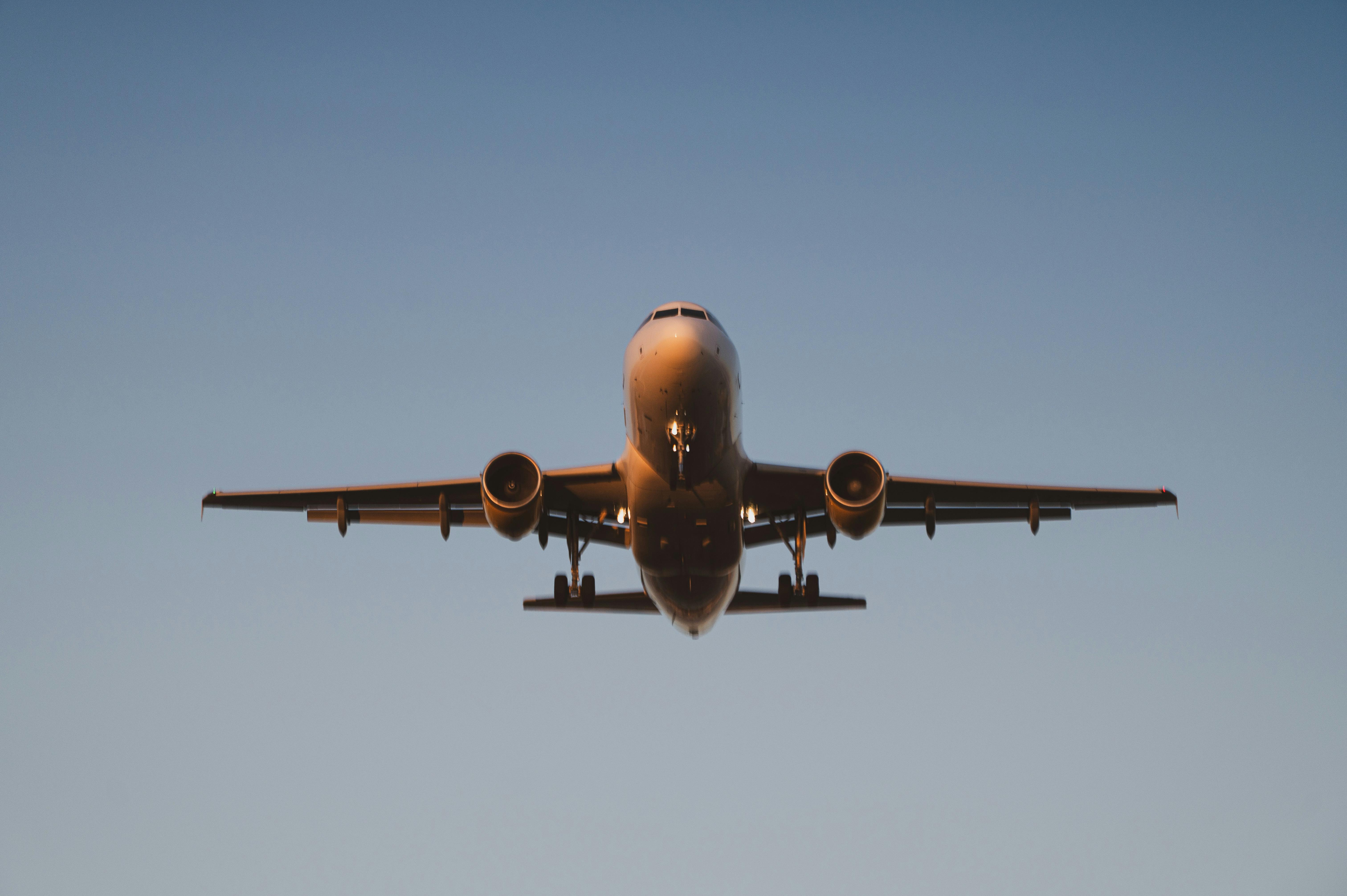
Air travel can open doors to new opportunities, but for many, the experience is shadowed by anxiety. Understanding why the fear arises, learning practical coping strategies, and accessing structured support are essential steps toward a calmer journey. This guide breaks down the psychology behind the dread, offers actionable techniques, and points to proven programs that help transform nervous flyers into confident travelers.
Understanding the Roots of Flight Anxiety
Fear of flying is rarely a simple phobia; it often intertwines with broader concerns such as loss of control, claustrophobia, or past traumatic experiences. Recognizing these underlying factors is the first move toward mitigation.
- Control loss: The sensation of being handed over to pilots and technology can trigger panic.
- Physical sensations: Turbulence, changes in pressure, and unfamiliar sounds amplify worry.
- Past experiences: A previous rough flight or a news story about aviation accidents can linger in the mind.
Evidence-Based Techniques to Reduce Anxiety
Several strategies have been validated by psychologists and aviation experts. Incorporating these into pre-flight routines can dramatically lower stress levels.
Breathing and Mindfulness
- Practice the 4-7-8 breathing pattern: inhale for 4 seconds, hold for 7, exhale for 8.
- Use a guided mindfulness app during boarding to stay present.
Cognitive Restructuring
- Identify catastrophic thoughts (e.g., “The plane will crash”) and replace them with realistic statements (“Modern aircraft are designed with multiple safety redundancies”).
- Write down rational counter-arguments and review them before the flight.
Gradual Exposure
- Start with short domestic trips, then progress to longer international routes.
- Visit an airport, watch planes take off, and sit in a stationary aircraft to desensitize the mind.
Professional Support Options
Self-help techniques are valuable, but many individuals benefit from structured programs that combine education, exposure, and therapeutic guidance. Among the most reputable offerings is a dedicated fear of flying course that blends cognitive-behavioral therapy with practical flight simulations.
Key Features of Effective Courses
- Qualified aviation psychologists leading the sessions.
- Hands-on experiences in flight simulators to confront fear in a safe environment.
- Personalized coping plans and follow-up support.
Choosing the Right Program
When evaluating options, consider the following criteria:
- Accreditation and therapist credentials.
- Length and format (online vs. in-person).
- Testimonials from former participants who have successfully overcome fear of flying.
Practical Tips for the Day of Travel
- Plan ahead: Arrive early, choose a seat near the aisle, and bring comfort items.
- Stay hydrated: Dehydration can worsen anxiety; sip water throughout the flight.
- Use distraction: Load an e-book, playlist, or puzzle app to keep the mind occupied.
- Employ grounding techniques: Notice five things you can see, four you can touch, three you can hear, two you can smell, and one you can taste.
When to Seek Additional Help
If anxiety interferes with daily life or persists despite self-help measures, professional intervention is advisable. Specialized programs such as a nervous flyer course provide intensive support, often including one-on-one counseling and group workshops.
Conclusion
Conquering the fear of flight is a journey that blends self-awareness, practiced techniques, and, when needed, expert guidance. By understanding the psychological triggers, applying evidence-based coping tools, and considering reputable training programs, nervous travelers can transform anxiety into confidence and enjoy the limitless possibilities that air travel offers.
