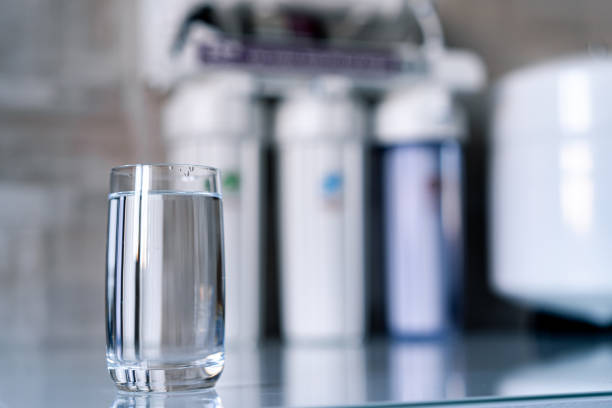
In today’s rapidly evolving world, ensuring access to clean and safe drinking water has become more crucial than ever. While municipal water systems work hard to provide potable water, contaminants can still find their way into household supplies. In-home reverse osmosis systems present an effective solution, offering a convenient way to guarantee the quality of water consumed daily. These systems use advanced filtration technology to remove impurities, resulting in water that’s not only safe but also tastes better. This article delves into the advantages of in-home reverse osmosis systems and provides insights into their operation and benefits.
Understanding Reverse Osmosis
Reverse Osmosis (RO) is a water purification process that employs a semipermeable membrane to remove ions, molecules, and larger particles from drinking water. It is one of the most efficient methods for water filtration and is widely used in both residential and commercial applications.
How Does It Work?
- Water is pushed through a semipermeable membrane.
- Contaminants like lead, chlorine, and sediment are filtered out.
- The system typically includes multiple stages of filtration for optimal purification.
To better understand the specifics of how these systems operate, you can discover expert strategies here.
Benefits of In-Home Reverse Osmosis Systems
Integrating a reverse osmosis system into your home can offer numerous advantages:
- Improved Taste: By removing chlorine and other contaminants, RO systems enhance the overall taste of drinking water.
- Health Benefits: Removing impurities can reduce exposure to potential health risks associated with contaminated water.
- Cost-effective: While there is an initial investment, over time, RO systems can save money by reducing the need to purchase bottled water.
- Environmental Impact: By decreasing reliance on bottled water, there is a reduction in plastic waste.
To see how these advantages can be tailored to specific needs, learn about our tailored solutions.
Installation and Maintenance
When considering the installation of a reverse osmosis system, it’s essential to understand both the initial setup and ongoing maintenance requirements.
Installation Process
- Most systems can be installed under the kitchen sink or at the point of entry.
- Professional installation is recommended to ensure optimal performance.
- Components include pre-filters, RO membrane, storage tank, and post-filters.
For guidance on installation techniques, explore advanced guides and tips.
Maintenance Tips
- Regularly replace filters to maintain water quality.
- Check for leaks and ensure all connections are secure.
- Service the system annually for comprehensive maintenance.
For more information on maintaining these systems efficiently, find out more about this approach.
Conclusion
In-home reverse osmosis systems provide an effective and reliable solution for ensuring access to clean and safe drinking water. By understanding how these systems work and the advantages they offer, homeowners can make informed decisions about their water filtration needs. Additionally, proper installation and maintenance are crucial to maximizing the benefits of these systems. For those seeking to enhance their household water quality, reverse osmosis systems present a practical and sustainable option.
