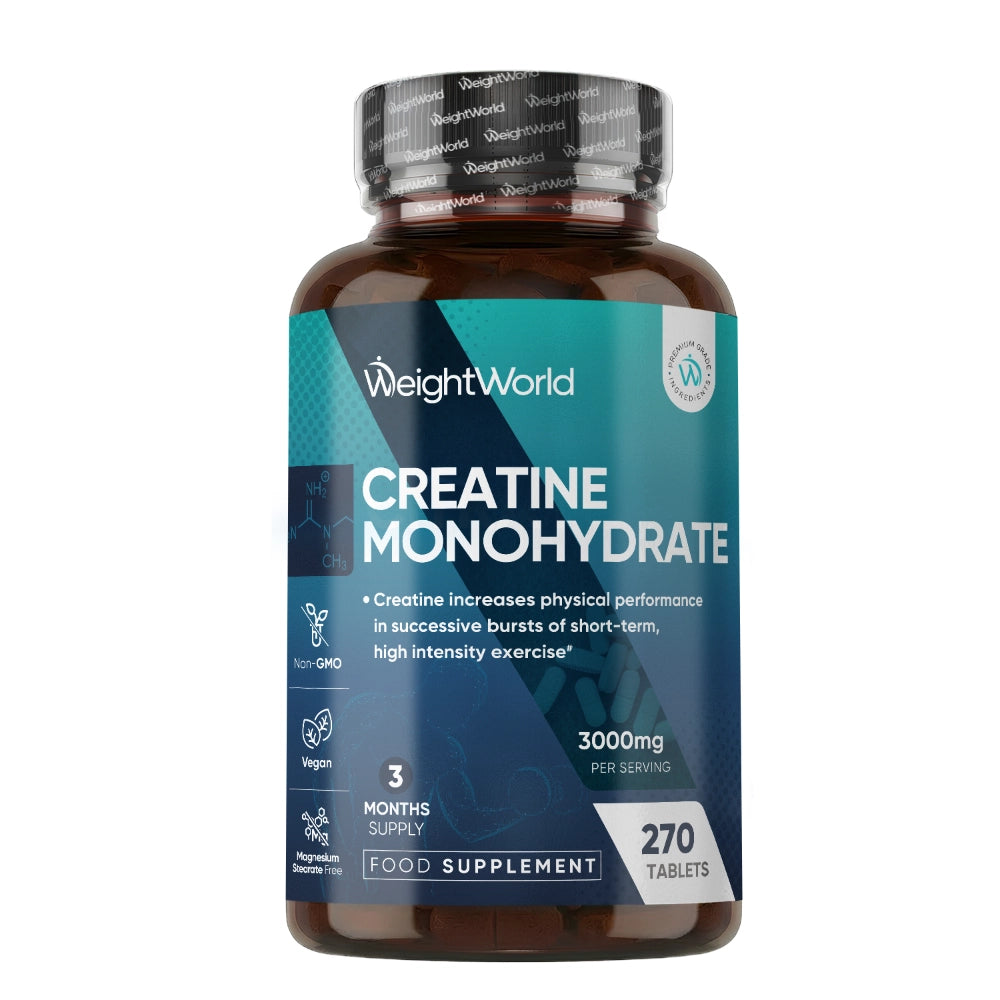
Creatine is one of the most researched and widely used supplements in the fitness industry, prized for its ability to boost strength, enhance muscle recovery, and support overall performance. With a market flooded by countless brands, forms, and price points, selecting the right product can feel overwhelming. This guide distills the most important factors to consider, offering clear, expert-level advice that helps you navigate the supplement aisle with confidence and choose a creatine that truly matches your goals.
Understanding the Different Forms of Creatine
While creatine monohydrate remains the gold standard, several alternative forms have emerged, each claiming unique benefits. Knowing the science behind these options helps prevent unnecessary spending on gimmicks.
Creatine Monohydrate
- Most extensively studied; over 500 peer-reviewed studies confirm its safety and efficacy.
- Typically 99% pure, providing a reliable dose of creatine per serving.
- Cost-effective and widely available in both powder and capsule formats.
Micronized Creatine
- Creatine monohydrate that has been ground into finer particles.
- Improved solubility can reduce the gritty texture some users experience.
- Performance benefits are identical to standard monohydrate.
Creatine HCl (Hydrochloride)
- Highly soluble; often marketed as requiring a smaller dose.
- May cause less bloating for individuals sensitive to monohydrate.
- Higher price point with limited long-term research.
Buffered Creatine (Kre-Alkalyn)
- Claims a higher pH level to prevent conversion to creatinine.
- Scientific evidence does not consistently support superior results.
- Often more expensive without clear performance advantage.
Key Quality Indicators to Look For
Beyond the form, product quality determines how effectively the supplement works and how safe it is for daily use.
- Third-Party Testing: Look for certifications from organizations such as NSF, Informed-Sport, or Labdoor. Independent testing confirms purity and the absence of contaminants.
- Purity Level: A label stating “99% pure” or higher indicates minimal filler content.
- Ingredient Transparency: The product should list only creatine and, if applicable, a minimal amount of anti-caking agents (e.g., silicon dioxide). Avoid proprietary blends that hide exact dosages.
- Manufacturing Standards: Facilities adhering to Good Manufacturing Practices (GMP) ensure consistent batch quality.
- Packaging: Airtight, moisture-resistant containers preserve stability and prevent clumping.
How to Determine the Right Dosage
Effective dosing strategies are simple yet crucial for maximizing results while minimizing side effects.
- Loading Phase (Optional): 20″?g per day split into 4 doses for 5-7 days can saturate muscles quickly.
- Maintenance Phase: 3-5″?g per day is sufficient for most athletes after the loading phase or as a standalone regimen.
- Timing: Consistency matters more than timing, but many find post-workout mixing with protein or carbohydrate drinks beneficial for uptake.
- Hydration: Creatine draws water into muscle cells; increase daily fluid intake by at least 1-2″?L to support optimal function.
Choosing the Ideal Format for Your Lifestyle
Whether you prefer powders, capsules, or flavored mixes, the format should align with your daily routine.
Powders
- Most economical per gram of creatine.
- Easy to blend into shakes, smoothies, or even water.
- Requires a shaker bottle or spoon for proper mixing.
Capsules/Tablets
- Convenient for on-the-go dosing; no mixing required.
- Typically more expensive per serving.
- May contain additional binders or fillers.
Flavored Micronized Blends
- Mask the natural taste of creatine for those sensitive to bitterness.
- Check ingredient lists for added sugars or artificial sweeteners.
Price vs. Value: Getting the Most for Your Money
While it can be tempting to chase the cheapest option, the lowest price often correlates with lower purity or lack of testing. Conversely, premium “enhanced” formulas rarely deliver measurable performance gains beyond pure creatine monohydrate.
- Calculate cost per gram of creatine rather than per container.
- Factor in any additional ingredients, if they’re not essential, they may be unnecessary cost.
- Consider bulk purchasing only if the product is certified and you have a stable consumption schedule.
Where to Purchase a Reliable Product
Buying from reputable retailers that specialize in sports nutrition reduces the risk of counterfeit or sub-standard supplements. A trusted online source often provides detailed product specifications, third-party test results, and clear return policies.
For a curated selection of high-quality creatine options, buy creatine from a specialist supplier that adheres to strict quality standards and offers transparent labeling.
Common Myths Debunked
- Myth: Creatine causes kidney damage.
Fact: Research in healthy individuals shows no adverse effects on kidney function when taken at recommended doses.
- Myth: Only bodybuilders benefit from creatine.
Fact: Endurance athletes, older adults, and even vegetarians can experience performance and cognitive benefits.
- Myth: You need to cycle on and off creatine.
Fact: Continuous use is safe; cycling is unnecessary for most users.
Final Checklist Before You Purchase
- Confirm the product is pure creatine monohydrate or a well-tested micronized version.
- Verify third-party testing and GMP certification.
- Check the label for a purity rating of 99% or higher.
- Choose a format (powder or capsule) that fits your daily routine.
- Calculate cost per gram to ensure you’re getting real value.
- Purchase from a reputable retailer that provides clear product information and support.
By following these expert guidelines, you can confidently select a creatine supplement that aligns with your performance goals, budget, and lifestyle, ensuring each dose contributes effectively to stronger, faster, and more resilient training outcomes.
