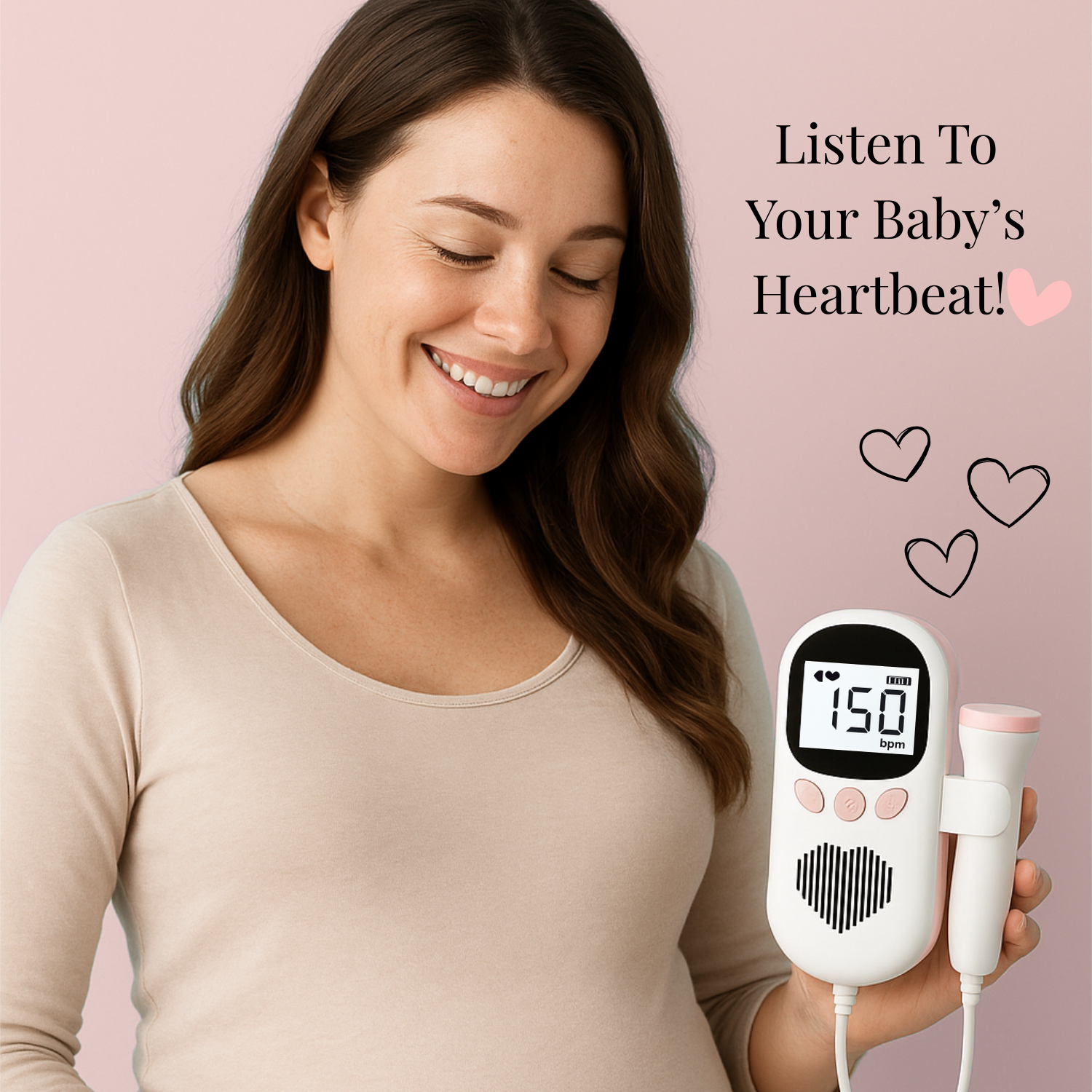
In the journey of pregnancy, monitoring the health of an unborn baby is a paramount concern for expectant parents. With advancements in technology, tools such as the baby heartbeat Doppler have become invaluable in providing peace of mind. These portable devices allow parents to listen to their baby’s heartbeat from the comfort of their home. Understanding how to use a baby heartbeat Doppler effectively can enhance the prenatal experience, offering reassurance and insight into the baby’s well-being.
Understanding the Baby Heartbeat Doppler
The baby heartbeat Doppler is a non-invasive, handheld device that uses ultrasound technology to detect the fetal heartbeat. It amplifies the sound, enabling parents to listen to the rhythmic beats that signify their baby’s health. This tool is particularly useful in the second and third trimesters, allowing regular monitoring of the baby’s condition between scheduled prenatal visits.
Key Features and Benefits
- Ease of Use: Designed for home use, these devices are user-friendly and straightforward.
- Non-Invasive: The Doppler uses sound waves, ensuring no discomfort for the baby or mother.
- Reassurance: Provides peace of mind by allowing parents to regularly check on their baby.
- Portability: Compact and lightweight, making it easy to carry and use anywhere.
Discover expert strategies here to ensure optimal usage and maximize the benefits of this technology.
How to Use a Baby Heartbeat Doppler
Using a baby heartbeat Doppler involves several straightforward steps. By following these guidelines, parents can effectively monitor their baby’s heartbeat.
Preparation
- Choose a quiet environment: This helps in accurately capturing the heartbeat without interference.
- Apply gel: Use the ultrasound gel provided to enhance the Doppler’s effectiveness.
- Positioning: Lie in a comfortable position, typically on your back or slightly reclined.
Learn about our tailored solutions for proper preparation and positioning here.
Finding the Heartbeat
- Start low: Initially, place the probe lower on the abdomen, gradually moving upwards.
- Move slowly: The fetal heartbeat can be elusive, requiring slow movements to locate.
- Listen for distinct sounds: A baby’s heartbeat is faster than an adult’s, resembling a galloping horse.
Explore advanced guides and tips for locating the heartbeat effectively here.
Considerations and Precautions
While the baby heartbeat Doppler is a valuable tool, it’s essential to use it responsibly. Here are some considerations to keep in mind:
- Not a diagnostic tool: It should not replace professional medical advice or prenatal checkups.
- Frequency of use: Limit usage to a few times a week to avoid excessive exposure to sound waves.
- Consult a healthcare provider: Seek professional guidance if unable to detect a heartbeat or if there are concerns about the baby’s health.
Find out more about this approach and ensure safe and effective usage here.
Conclusion
The baby heartbeat Doppler is a remarkable tool that empowers parents by providing a window into their baby’s health. By understanding its features, learning the correct usage techniques, and adhering to safety guidelines, expectant parents can enhance their prenatal care experience. As technology evolves, so do the methods of caring for a developing baby, making it an exciting time for parenthood. For those interested in more in-depth insights and solutions, further information is readily available for exploration.
