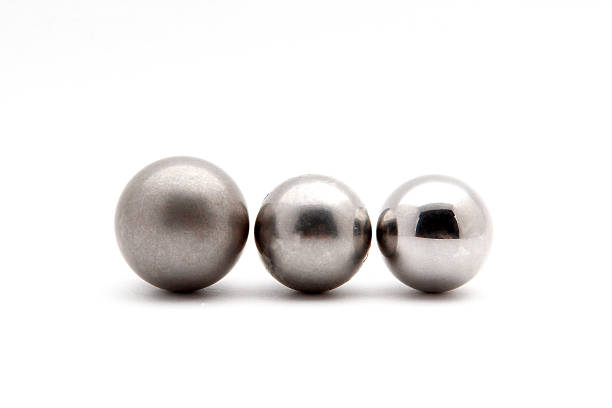
The production of hollow aluminum spheres is a fascinating process that combines advanced engineering techniques with precise material science. These components are essential in various industries, including aerospace, automotive, and consumer electronics, due to their lightweight nature and exceptional strength-to-weight ratio. Understanding the intricacies of their manufacturing not only highlights the sophistication of modern material engineering but also underscores their significance in today’s technological advancements.
Understanding the Manufacturing Process
The production of hollow aluminum spheres involves several key steps. Each step is critical in ensuring that the final product meets stringent quality standards and fulfills its intended purpose efficiently.
Material Selection and Preparation
– **Material Choice**: Aluminum is chosen for its lightweight properties and excellent corrosion resistance.
– **Alloy Composition**: The specific alloy used can vary based on the required strength and durability.
– **Pre-Processing**: The aluminum is often pre-treated to remove impurities and enhance its mechanical properties.
Forming Techniques
– **Metal Spinning**: This technique involves rotating the aluminum at high speeds while applying pressure, allowing it to take shape.
– **Blow Molding**: Involves inflating aluminum into a mold, creating a hollow structure.
– **Hydroforming**: Utilizes high-pressure fluids to shape the aluminum into a sphere without seams, ensuring uniform thickness and strength.
Quality Control and Testing
Quality assurance is paramount in the production of hollow aluminum spheres. Various tests are conducted to ensure that each sphere meets industry standards.
– **Dimensional Accuracy**: Precision instruments measure the sphere’s dimensions to ensure uniformity and adherence to specifications.
– **Surface Inspection**: Advanced imaging techniques are used to detect any surface irregularities or defects.
– **Material Integrity Tests**: These include stress tests to assess the sphere’s ability to withstand operational pressures.
Applications of Hollow Aluminum Spheres
Hollow aluminum spheres have a wide range of applications, proving indispensable in many fields.
– **Aerospace**: Utilized in satellite structures and aircraft components for their lightweight and strong nature.
– **Automotive**: Used in manufacturing parts like fuel tanks and structural components to reduce vehicle weight and improve fuel efficiency.
– **Consumer Electronics**: Found in devices where weight reduction is crucial, such as laptops and smartphones.
Environmental and Economic Considerations
The production of hollow aluminum spheres also considers environmental and economic impacts.
– **Recyclability**: Aluminum is highly recyclable, making the production process environmentally friendly.
– **Cost-Effectiveness**: Despite the complexity of the manufacturing process, the cost of production is balanced by the material’s longevity and recyclability.
Future Trends in Production
As technology advances, the production techniques for hollow aluminum spheres continue to evolve.
– **Automation**: Increased use of automation in manufacturing processes enhances precision and reduces production time.
– **Innovative Alloys**: Research into new aluminum alloys aims to improve strength and reduce weight further.
– **Sustainability**: Ongoing efforts focus on reducing the carbon footprint of production and enhancing the recyclability of materials.
The production of hollow aluminum spheres is a testament to the ingenuity and advancement in material science and engineering. As industries continue to innovate and demand lighter, stronger materials, these spheres will undoubtedly remain at the forefront of technological development. Understanding this process not only showcases the sophistication behind these components but also highlights their critical role in various applications.
