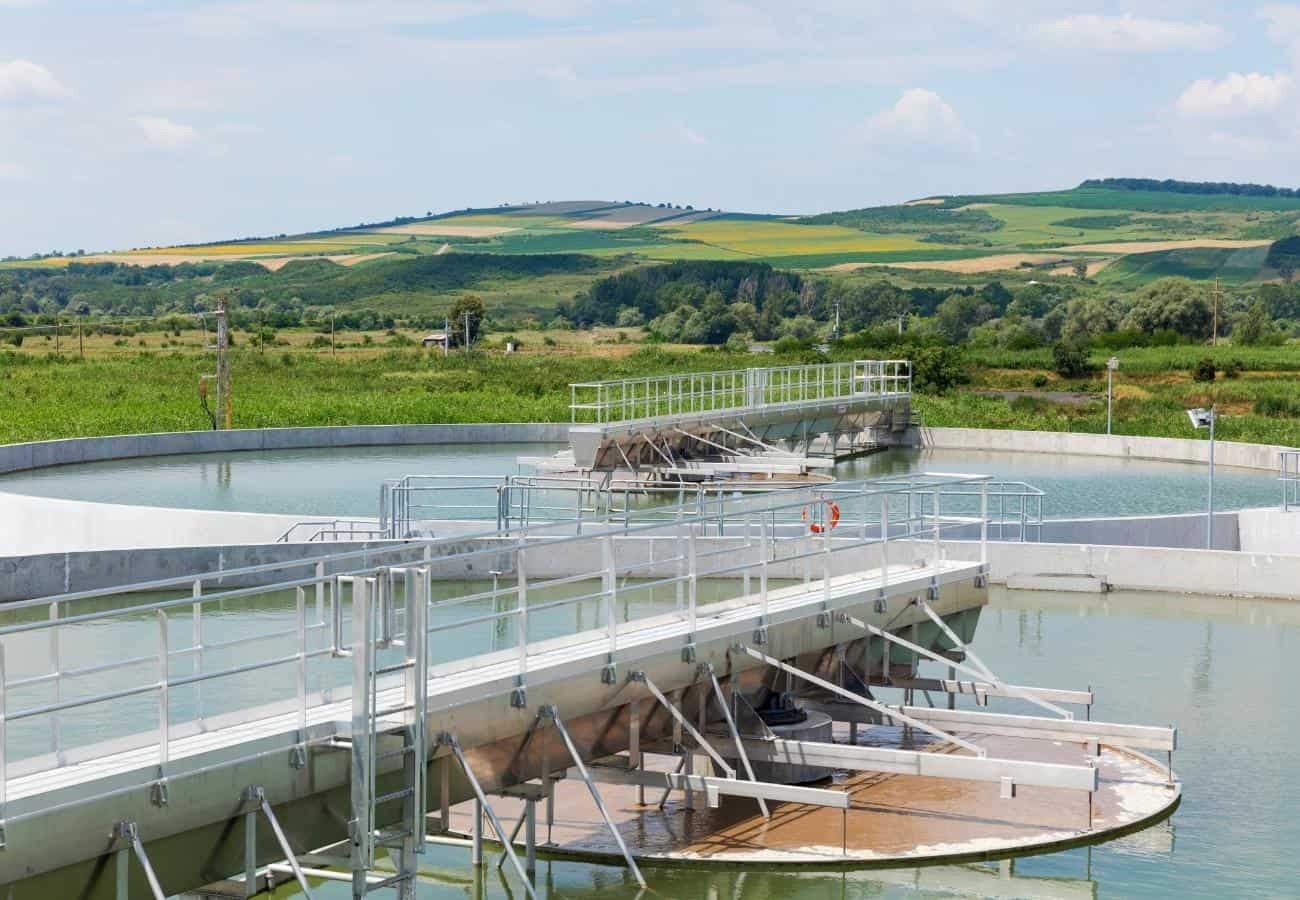
Maximizing Efficiency: Wastewater Treatment Systems in Malaysia
In the modern drive towards sustainability and environmental conservation, optimizing wastewater treatment systems plays a pivotal role. Malaysia, with its growing population and industrial activities, is increasingly focusing on enhancing its wastewater management systems to ensure environmental protection and resource recovery.
Understanding Wastewater Treatment in Malaysia
Wastewater treatment involves a series of processes to remove contaminants from water, making it safe for release into the environment or for reuse. In Malaysia, these systems are critical due to the country’s rapid industrialization and urbanization. The government and private sectors are investing significantly in advanced wastewater technologies to address these challenges.
Key Components of Modern Wastewater Treatment Systems
- Preliminary Treatment: Involves removing large debris and grit to prevent damage to subsequent treatment processes.
- Primary Treatment: Settles suspended solids, reducing the load on secondary treatment processes.
- Secondary Treatment: Uses biological processes to degrade organic matter and nutrients.
- Tertiary Treatment: Further purifies water, making it suitable for reuse in various applications.
Technological Advancements in Wastewater Treatment
Malaysia is adopting cutting-edge technologies to enhance the efficiency of its wastewater treatment systems. These advancements not only improve treatment outcomes but also reduce operational costs and environmental impact.
Innovative Solutions and Strategies
- Membrane Bioreactors (MBR): Combines biological treatment and membrane filtration, offering high-quality effluent.
- Advanced Oxidation Processes (AOP): Utilizes strong oxidants to break down pollutants that are resistant to conventional treatment.
- Decentralized Treatment Systems: Provides flexibility and efficiency, especially in remote or rapidly growing areas.
For those interested in exploring advanced guides and tips on these technologies, explore advanced guides and tips.
Challenges and Solutions in Malaysian Wastewater Treatment
The wastewater treatment sector in Malaysia faces several challenges, including outdated infrastructure, funding limitations, and regulatory compliance. However, strategic partnerships and investments in innovative solutions are paving the way for significant improvements.
Addressing Infrastructure and Compliance Issues
- Upgrading Existing Facilities: Investments are being made to retrofit and upgrade existing treatment plants with modern technologies.
- Public-Private Partnerships (PPP): Encouraging collaboration between government and private entities to pool resources and expertise.
- Regulatory Enhancements: Implementing stringent regulations to ensure compliance and environmental protection.
Discover expert strategies to tackle these challenges by visiting this dedicated resource.
The Future of Wastewater Treatment in Malaysia
Looking forward, Malaysia’s wastewater treatment landscape is poised for transformation. Embracing digital technologies such as IoT and AI for monitoring and optimization, the industry is moving towards smarter, more efficient solutions.
Embracing Digitalization and Sustainability
- IoT-Based Monitoring: Enables real-time data collection and analysis for proactive management.
- AI-Driven Decision Making: Facilitates predictive maintenance and process optimization.
- Sustainable Practices: Focuses on resource recovery, such as energy generation and water reuse.
To learn about our tailored solutions for these emerging trends, find out more about this approach.
In conclusion, the evolution of wastewater treatment systems in Malaysia reflects a commitment to environmental sustainability and innovation. By integrating advanced technologies and strategic collaborations, Malaysia is well-positioned to meet future challenges and opportunities in water resource management.
