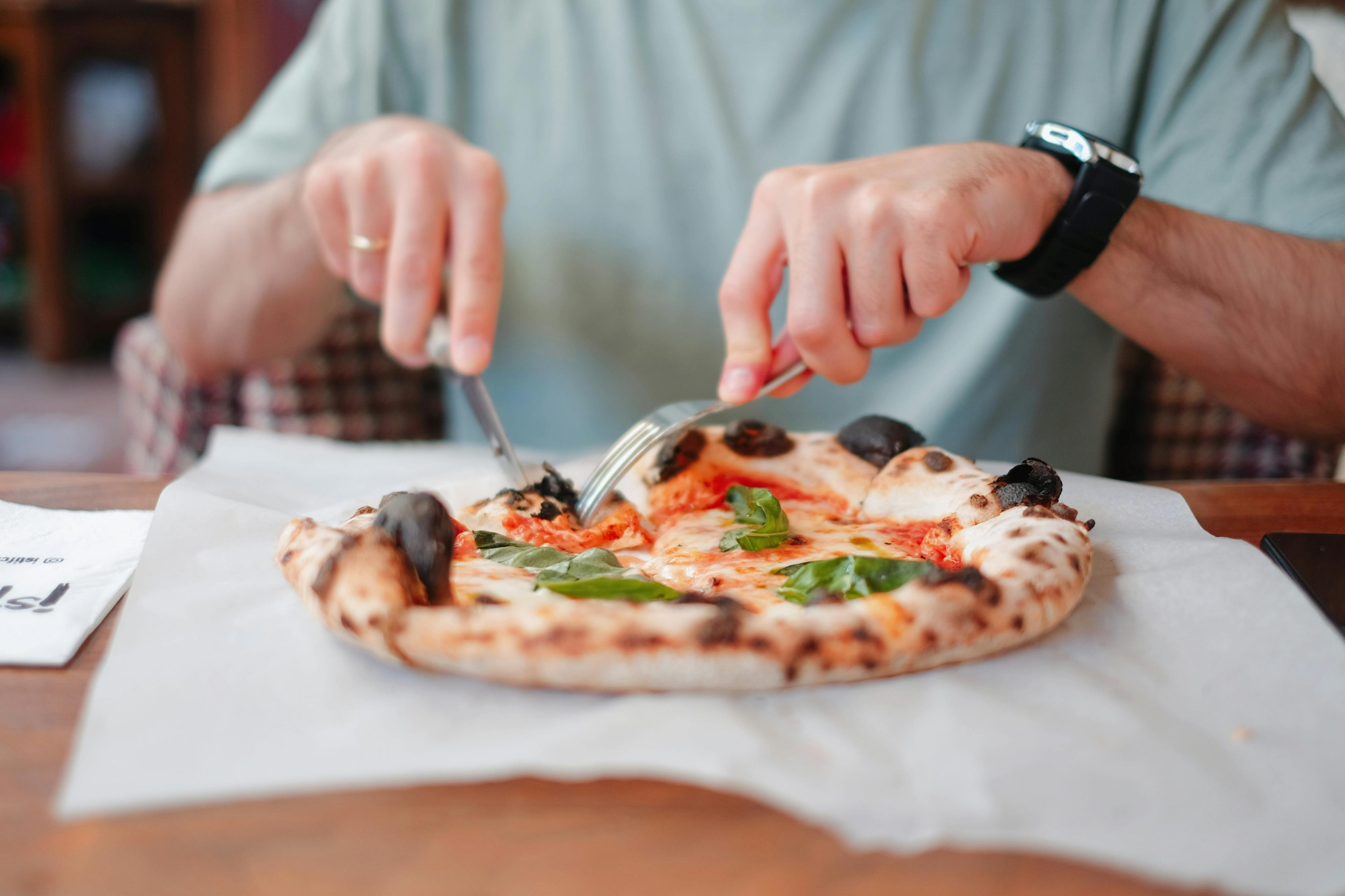
Italian cuisine continues to evolve, reflecting shifting consumer preferences, sustainability concerns, and technological advancements. Restaurants across the region are adapting menus, service models, and ambiance to meet the expectations of diners seeking authentic flavors combined with modern convenience. This article examines the most influential trends shaping the local Italian restaurant scene and offers insight into how establishments can stay competitive while preserving culinary heritage.
Menu Innovation and Regional Authenticity
Today’s diners are curious about the origins of their dishes. Chefs are moving beyond generic pizza and pasta to showcase lesser-known regional specialties, seasonal produce, and heritage grains.
Key developments
- Emphasis on hyper-local sourcing – farms within a 50-mile radius are increasingly preferred to guarantee freshness and reduce carbon footprints.
- Revival of ancient grain varieties such as farro, spelt, and einkorn, often highlighted in menu descriptions.
- Incorporation of regional sauces and condiments (e.g., Pugliese orecchiette with broccoli rabe, Sicilian caponata) to differentiate offerings.
Restaurants that successfully integrate these elements often provide a brief narrative about the dish’s origin, enhancing the dining experience. Read more about this topic.
Health-Focused Adaptations
Health consciousness is reshaping Italian menus. While traditional recipes are celebrated, many establishments are offering lighter alternatives without compromising flavor.
Popular health-centric options
- Whole-grain and gluten-free pastas made from legumes or rice flour.
- Plant-based proteins such as seitan-based Bolognese or lentil-infused ragù.
- Reduced-salt and low-fat cooking techniques that rely on herbs, citrus, and quality olive oil.
These adaptations appeal to diners seeking balanced nutrition while still enjoying classic Italian flavors. Explore further insights here.
Technology Integration in Service
Digital tools are streamlining operations and enhancing guest interaction. From reservation platforms to contactless payment, technology is becoming a staple in the modern Italian eatery.
Technology trends
- Online reservation systems that allow diners to view real-time table availability.
- QR-code menus which reduce paper waste and enable instant updates to dishes and pricing.
- Mobile ordering and payment that shorten wait times and improve table turnover.
Adopting these solutions can boost efficiency and meet the expectations of a digitally savvy clientele. Learn more in this detailed guide.
Sustainability and Waste Reduction
Environmental stewardship is no longer optional. Italian restaurants are implementing practices that minimize waste and support sustainable agriculture.
Effective sustainability practices
- Utilizing nose-to-tail and root-to-stalk cooking to maximize ingredient usage.
- Partnering with local composting programs for organic waste.
- Choosing eco-friendly packaging for take-out orders, such as biodegradable containers.
These initiatives resonate with eco-conscious diners and can also reduce operating costs. Find additional information here.
Experiential Dining and Ambiance
Beyond food, the overall experience influences repeat visits. Restaurateurs are curating spaces that reflect Italian culture while incorporating contemporary design elements.
Design and experience trends
- Open-kitchen concepts that showcase craftsmanship and create a theatrical atmosphere.
- Use of authentic materials such as reclaimed wood, terracotta tiles, and wrought iron.
- Inclusion of live music or curated playlists featuring traditional Italian melodies.
When ambiance aligns with culinary storytelling, diners feel a deeper connection to the cuisine. This holistic approach is becoming a defining factor for success in competitive markets.
Conclusion
The Italian restaurant landscape is being reshaped by a blend of tradition and innovation. Embracing regional authenticity, health-focused menus, technology, sustainability, and immersive ambiance enables establishments to meet evolving consumer demands while honoring the rich heritage of Italian cooking. By staying attuned to these trends, restaurants can create memorable experiences that attract both new and returning guests.
