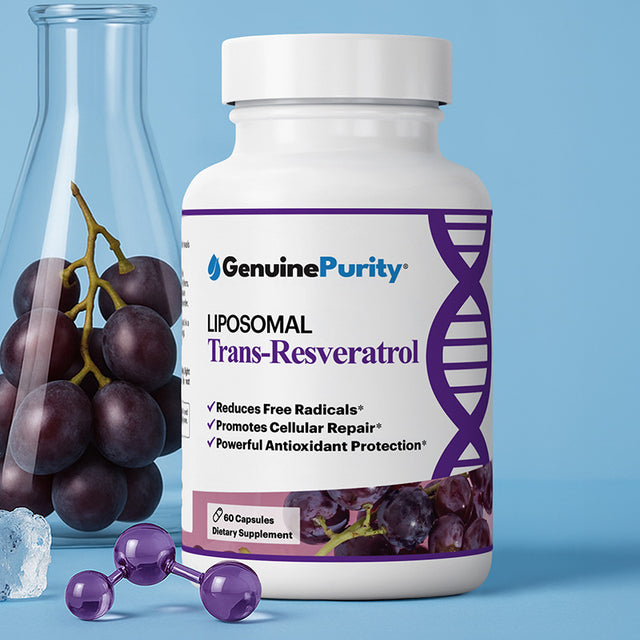
Resveratrol has become a staple in the world of dietary supplements, praised for its antioxidant properties and potential health benefits ranging from cardiovascular support to healthy aging. Yet, not all resveratrol products are created equal. Two popular formats dominate the market: liposomal resveratrol, which utilizes a nanocarrier system to enhance absorption, and traditional resveratrol tablets, which rely on standard oral delivery. Understanding the scientific differences, absorption rates, and practical considerations can help consumers choose the most effective brand for their needs.
Understanding the Two Delivery Systems
Liposomal Resveratrol
Liposomal technology encases the active ingredient within microscopic lipid vesicles, mimicking the structure of cell membranes. This design offers several advantages:
- Enhanced Bioavailability: Liposomes protect resveratrol from degradation in the stomach, allowing a higher percentage to reach the bloodstream.
- Targeted Delivery: The lipid bilayer can merge with intestinal cells, facilitating direct transport of resveratrol into the circulatory system.
- Reduced Dosage Requirements: Because more of the compound is absorbed, lower doses may achieve the same therapeutic effect as higher doses of standard tablets.
Traditional Resveratrol Tablets
Standard tablets contain powdered resveratrol blended with binders and fillers. Their performance depends largely on the formulation and any added absorption enhancers:
- Cost-Effectiveness: Tablets are generally less expensive to produce, making them a budget-friendly option.
- Stability: Solid forms are stable over long shelf lives when stored properly.
- Variable Absorption: Without a delivery system like liposomes, a significant portion of resveratrol can be metabolized before it reaches systemic circulation.
Comparative Bioavailability
Clinical studies consistently show that liposomal encapsulation can increase the plasma concentration of resveratrol by up to 4-6 times compared with conventional tablets. This boost is critical because resveratrol has a naturally low oral bioavailability, estimates suggest less than 1% of ingested material reaches the bloodstream in its active form.
When evaluating a brand, consider the following metrics:
- Percentage of resveratrol that remains intact after gastric passage.
- Peak plasma concentration (Cmax) achieved after a single dose.
- Time to reach peak concentration (Tmax), which influences how quickly benefits may be felt.
Key Factors to Evaluate in a Resveratrol Brand
Ingredient Purity and Source
High-quality resveratrol is typically derived from Japanese knotweed (Polygonum cuspidatum) or grape skins. Look for third-party testing that confirms:
- Purity levels of 98% or higher.
- Absence of heavy metals, pesticides, and residual solvents.
- Transparent sourcing information.
Formulation Transparency
A reputable brand will disclose the exact amount of trans-resveratrol per serving, any additional synergistic ingredients (such as piperine or quercetin), and the type of liposomal technology used. Detailed labeling helps consumers compare products objectively.
Dosage Recommendations
Because liposomal products are more bioavailable, effective daily doses often range from 100″?mg to 250″?mg of trans-resveratrol. Traditional tablets may require 500″?mg to 1″?g to achieve comparable systemic exposure. Align the dosage with personal health goals and any guidance from healthcare professionals.
Practical Considerations
- Convenience: Tablets are easy to transport and have a familiar dosing routine. Liposomal capsules may be larger or require refrigeration, depending on the formulation.
- Cost per Effective Dose: While liposomal products have a higher upfront price, the increased absorption can make them more cost-effective over time.
- Allergen Profile: Verify that the product is free from common allergens such as soy, gluten, or dairy, especially if the liposomal matrix uses soy lecithin.
Choosing the Right Product for Your Needs
For individuals seeking maximum absorption with a lower daily pill count, liposomal resveratrol often emerges as the superior choice. Those who prioritize budget constraints or have no issues with standard absorption may find traditional tablets sufficient.
When making a decision, consider the following checklist:
- Confirm the product uses trans-resveratrol, the biologically active isomer.
- Check for independent lab verification of purity and potency.
- Review the delivery system, liposomal vs. tablet, and compare the stated bioavailability data.
- Assess the price relative to the effective dose rather than the per-capsule cost.
- Read user reviews for real-world insights on tolerability and perceived benefits.
For a deeper dive into the science behind enhanced absorption and to explore a brand that consistently applies rigorous testing, Discover expert strategies here. Additional resources that explain how formulation choices impact outcomes can be found by Learn about our tailored solutions. If you are interested in practical tips for integrating resveratrol into a daily regimen, Explore advanced guides and tips. Finally, for a comprehensive overview of the brand’s commitment to quality, Find out more about this approach.
Conclusion
Both liposomal resveratrol and traditional tablets have their place in the supplement landscape, but the decisive factor is bioavailability. Liposomal technology offers a clear advantage in delivering a higher proportion of active compound to the body, which can translate to more consistent and measurable health benefits. By evaluating purity, formulation transparency, dosage, and cost per effective dose, consumers can select the most appropriate product for their lifestyle and wellness objectives.
