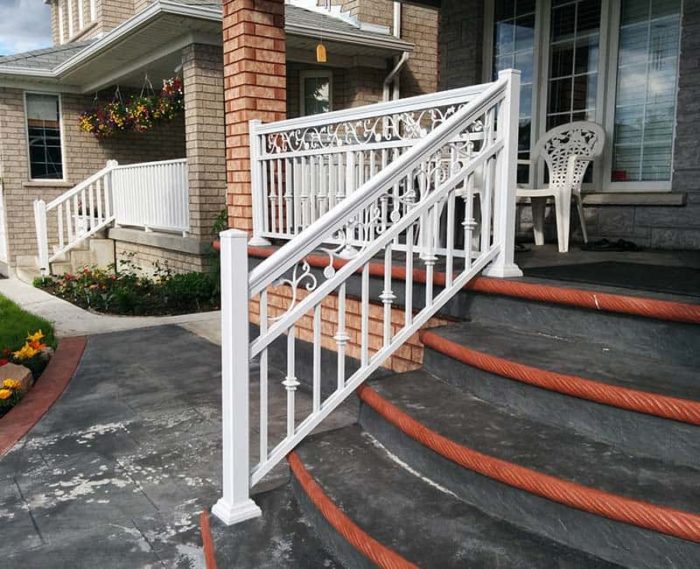
Installing aluminum railings can dramatically improve the safety, aesthetics, and value of a property, but the process is not without its pitfalls. Even experienced DIY enthusiasts or professional contractors can encounter setbacks that lead to costly rework, compromised structural integrity, or unsightly finishes. Understanding the common mistakes that occur during an aluminum railing installation project is the first step toward a smooth, efficient, and durable result. This guide outlines the most frequent errors and offers practical advice to help avoid them, ensuring a polished final product that stands the test of time.
Inadequate Planning and Measurements
One of the most fundamental errors is skipping thorough planning. Accurate measurements and a clear layout are essential before any cutting or drilling begins.
Key Points to Remember
- Measure twice, cut once: Use a reliable tape measure and double-check each dimension, especially when dealing with irregular angles or curved sections.
- Account for tolerances: Aluminum expands and contracts with temperature changes; include a small allowance to prevent gaps or binding.
- Create a detailed sketch: Document the placement of posts, balusters, and handrails, noting any obstacles such as existing utilities or uneven surfaces.
Improper Surface Preparation
Aluminum adheres best to clean, stable surfaces. Overlooking this step can lead to rust, corrosion, or loose fittings.
Essential Preparation Steps
- Clean the substrate: Remove dust, grease, and old paint with a mild detergent or solvent. A clean surface ensures proper bonding of fasteners.
- Level the mounting area: Use a spirit level or laser level to verify that the base is even. Uneven foundations cause misalignment and stress on the railing.
- Apply a primer if needed: When installing on wood or concrete, a corrosion-resistant primer can protect both the substrate and the aluminum components.
Choosing the Wrong Fasteners and Hardware
Not all screws, bolts, or anchors are created equal. Selecting inappropriate hardware can compromise load-bearing capacity and lead to premature failure.
Guidelines for Hardware Selection
- Use stainless-steel or coated fasteners: These resist corrosion and match the durability of aluminum.
- Match the load rating: Verify that each fastener’s shear and tensile strengths meet or exceed the manufacturer’s specifications for the railing system.
- Pre-drill pilot holes: This prevents the aluminum from warping or cracking during installation.
Incorrect Alignment and Leveling
Even minor misalignments become glaring flaws once the railing is in place. Consistent leveling is critical for both safety and visual appeal.
Techniques to Ensure Perfect Alignment
- Use a string line or laser level: Run a guide along the intended handrail path to keep posts and balusters in a straight line.
- Check vertical plumb on each post: A post that is even a few millimeters off can cause the entire system to tilt.
- Secure temporary braces: While fastening, brace components to maintain alignment until the final torque is applied.
Neglecting Code Requirements and Safety Standards
Local building codes dictate specific height, spacing, and load requirements for railings. Overlooking these regulations can result in failed inspections or unsafe installations.
Common Code-Related Mistakes
- Improper baluster spacing: Gaps larger than 4 inches (102″?mm) may allow a child to slip through, violating safety standards.
- Incorrect railing height: Residential decks typically require a minimum of 36 inches, while commercial applications often demand 42 inches.
- Insufficient load testing: Ensure the system can withstand the required horizontal and vertical forces (usually 200″?lb/ft for residential decks).
Overlooking Expansion Joints
Aluminum expands about 13″???m per meter per degree Celsius. Ignoring this natural movement can cause buckling or joint failure.
Best Practices for Accommodating Expansion
- Install slip-fit joints: Allow a small amount of movement at connection points without sacrificing structural integrity.
- Use flexible sealants: Silicone or polyurethane sealants can absorb thermal movement while keeping moisture out.
- Separate long runs: For railings longer than 15 feet, incorporate a midway expansion joint to reduce stress.
Poor Finishing and Maintenance Planning
A well-finished railing not only looks professional but also protects the metal from the elements. Skipping final touches can lead to premature wear.
Finishing Steps to Protect Aluminum
- Apply a protective coating: Anodizing or powder coating adds a durable barrier against UV rays and moisture.
- Seal all fastener heads: Use a clear sealant to prevent water ingress at screw or bolt locations.
- Schedule regular inspections: Check for loose hardware, corrosion, or damage at least twice a year, especially in coastal or high-humidity regions.
Conclusion
Successful aluminum railing installation hinges on meticulous preparation, adherence to code, and the use of appropriate materials and techniques. By avoiding the pitfalls outlined above, ranging from inaccurate measurements to neglecting expansion joints, installers can deliver railings that are safe, aesthetically pleasing, and built to endure. Implementing these best practices not only reduces the likelihood of costly rework but also upholds the high standards expected of professional railing projects.
