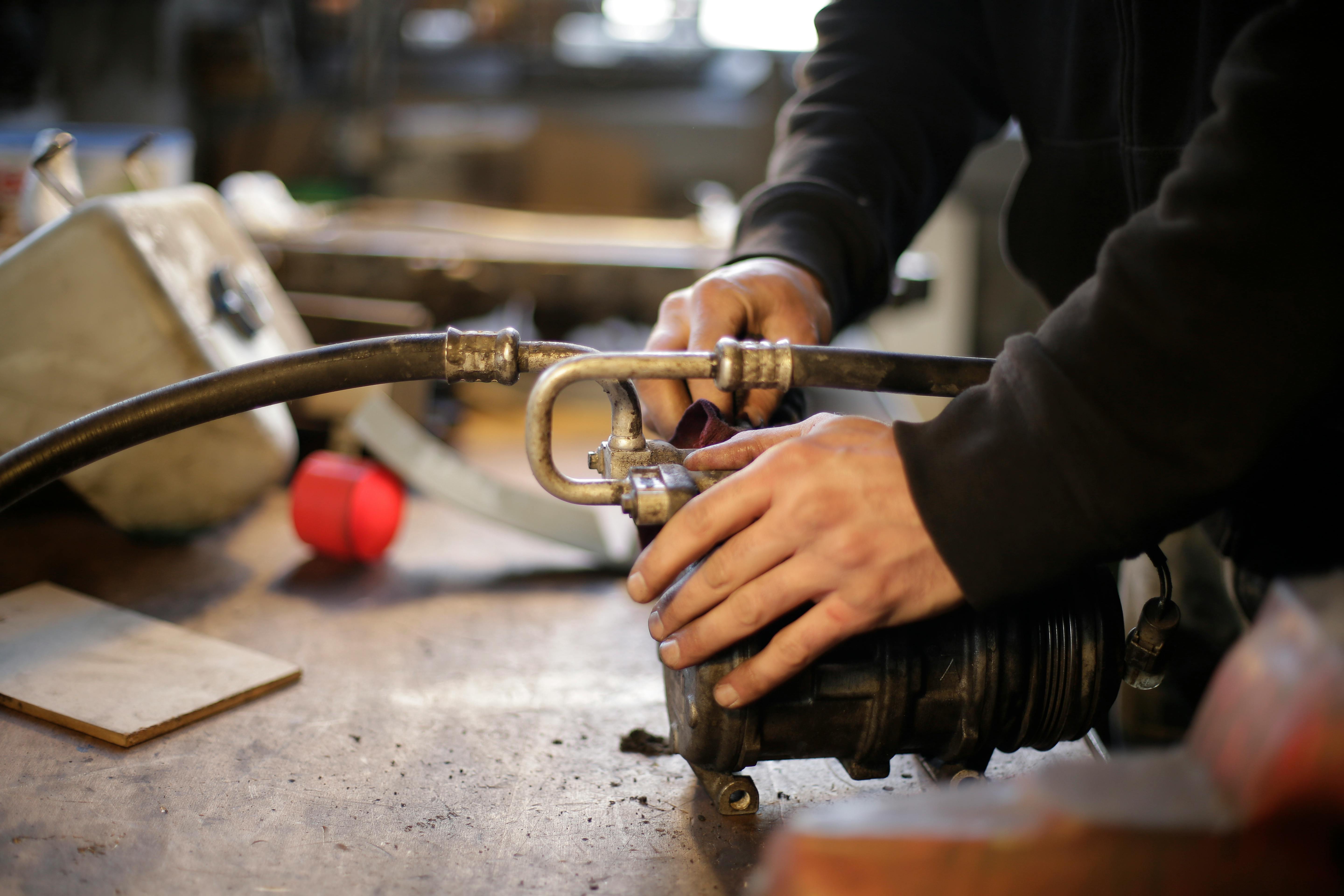
Diesel particulate filters (DPF) are vital for reducing emissions in modern diesel engines, yet they require diligent upkeep to maintain efficiency and longevity. Understanding the intricacies of DPF maintenance and repair can prevent costly downtime, improve fuel economy, and keep vehicles compliant with stringent environmental regulations. This guide consolidates the most reliable practices, diagnostic techniques, and repair options, offering a clear roadmap for technicians, fleet managers, and informed vehicle owners.
Understanding DPF Functionality
A DPF captures soot particles produced during combustion and periodically regenerates by burning off the accumulated ash. The process relies on precise temperature control, sensor feedback, and engine management software. When any of these elements falter, the filter can become clogged, leading to reduced performance and warning lights.
Key Components of a DPF System
- Filter Housing: Ceramic honeycomb structure that traps particulate matter.
- Temperature Sensors: Monitor exhaust temperature to trigger regeneration cycles.
- Pressure Sensors: Measure differential pressure across the filter, indicating clogging levels.
- ECU Software: Controls regeneration timing and fuel injection strategies.
Preventive Maintenance Strategies
Regular maintenance is the most effective way to avoid unexpected DPF failures. The following schedule aligns with manufacturer recommendations and real-world experience.
- Routine Inspection: Check pressure differential readings every 5,000″?km; values above 15″?kPa often signal the need for cleaning.
- Fuel Quality Control: Use low-sulphur diesel to minimize ash buildup; consider fuel additives that promote soot oxidation.
- Driving Habits: Incorporate occasional highway runs (???30″?minutes at 70″?mph) to achieve the temperatures required for passive regeneration.
- Software Updates: Keep the engine control unit firmware current to benefit from improved regeneration algorithms.
For a deeper dive into tailored maintenance plans, Discover expert strategies here.
Diagnosing DPF Issues
Accurate diagnosis minimizes unnecessary disassembly and reduces labor costs. Modern diagnostic tools provide real-time data that can pinpoint the root cause.
Common Diagnostic Indicators
- Check Engine Light (CEL): Often accompanied by codes P0401 (insufficient flow) or P2457 (excessive soot).
- Excessive Exhaust Smoke: Indicates incomplete regeneration or a faulty injector.
- Reduced Power & Fuel Economy: Result from increased back-pressure.
- High Differential Pressure: Measured via OBD scanner; values >20″?kPa typically require intervention.
When troubleshooting, it is useful to reference comprehensive guides that outline step-by-step procedures. Explore advanced guides and tips for interpreting sensor data and applying corrective actions.
Cleaning vs. Replacement: Making the Right Choice
Deciding whether to clean or replace a DPF hinges on several factors, including the filter’s age, the amount of ash accumulation, and the vehicle’s service history.
When to Opt for Cleaning
- Filter age under 8″?years and mileage below 200,000″?km.
- Pressure differential indicates blockage but ash content is within acceptable limits.
- No physical damage to the ceramic substrate.
When Replacement Is Preferable
- Cracked or shattered honeycomb cells.
- Repeated regeneration failures despite cleaning attempts.
- Excessive ash load (>15″?% of filter capacity) that cannot be removed safely.
Professional cleaning services employ ultrasonic or thermal methods to restore flow without compromising structural integrity. Learn about our tailored solutions for high-efficiency DPF restoration.
Step-by-Step Cleaning Process
A systematic approach ensures consistent results and protects the filter from damage.
- Pre-Inspection: Verify error codes, record pressure readings, and photograph the filter housing.
- Removal: Detach the DPF following manufacturer torque specifications to avoid thread stripping.
- Initial Air Blast: Use a low-pressure air gun to dislodge loose soot.
- Ultrasonic Bath: Submerge the filter in a calibrated cleaning solution; run the ultrasonic cycle for 30-45″?minutes.
- Rinse & Dry: Flush with deionized water and dry in a dust-free environment.
- Post-Cleaning Test: Reinstall, clear fault codes, and perform a road test to confirm regeneration.
For a complete service overview, Find out more about this approach.
Best Practices After Service
Post-maintenance habits can extend the life of a cleaned or new DPF.
- Schedule a follow-up pressure check within 1,000″?km.
- Maintain regular long-duration drives to support passive regeneration.
- Log all service actions in a maintenance database for trend analysis.
- Consider periodic professional cleaning every 30,000-40,000″?km, depending on operating conditions.
Conclusion
Effective DPF maintenance blends proactive inspection, informed diagnostics, and appropriate intervention, whether cleaning or replacement. By adhering to the outlined procedures and leveraging reputable expertise, vehicle operators can safeguard performance, comply with emission standards, and avoid unnecessary expense. Continuous education and access to reliable resources, such as the detailed service pages linked throughout this article, empower technicians to make confident decisions and keep diesel fleets running smoothly.
