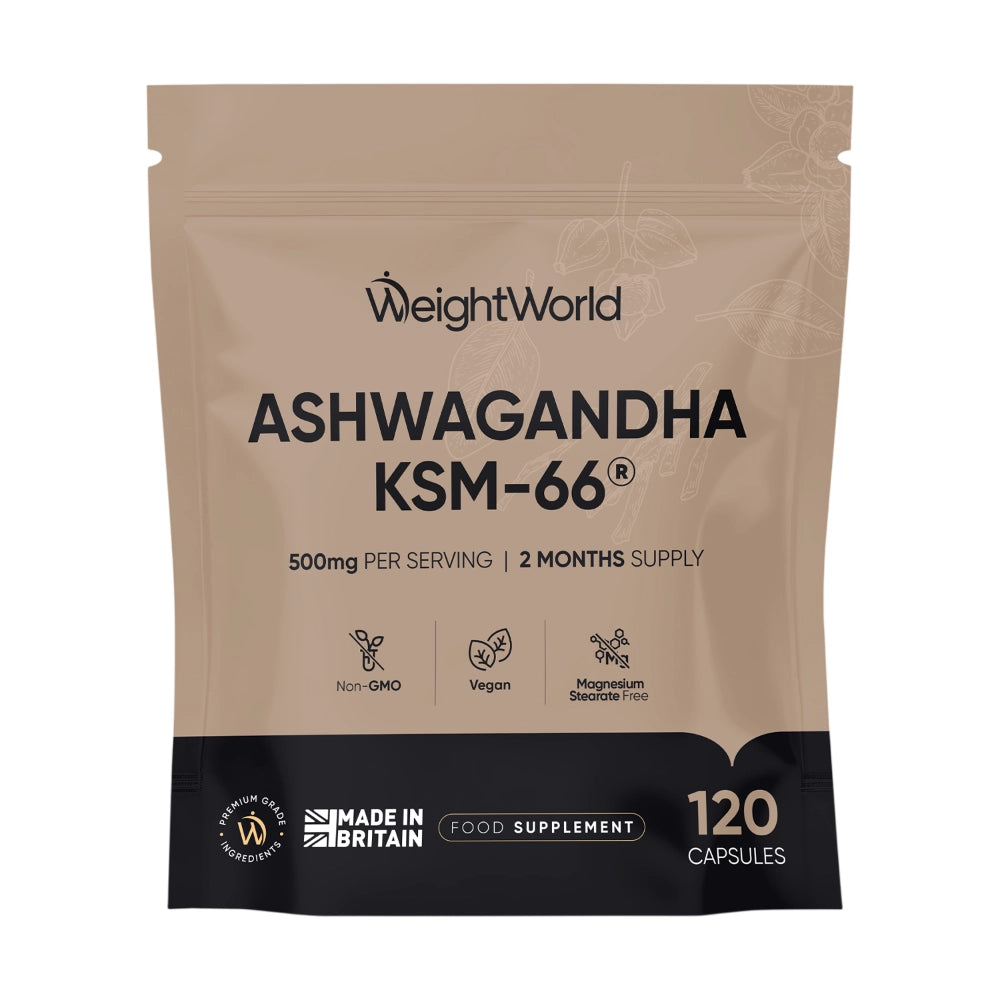
Ashwagandha, known scientifically as”?Withania somnifera, has secured its place among the most researched adaptogens for stress relief, cognitive support, and overall vitality. With a surge in demand across the United Kingdom, the market now offers a multitude of formulations, each promising slightly different benefits. Navigating this landscape requires a clear understanding of quality markers, ingredient integrity, and evidence-based dosing. This guide consolidates the essential factors that distinguish a premium Ashwagandha supplement, helping consumers make an informed choice without the noise of exaggerated marketing claims.
Understanding the Core Benefits of Ashwagandha
Before evaluating products, it is useful to revisit why Ashwagandha is a staple in modern supplementation:
- Stress modulation: Cortisol-lowering properties support a balanced response to everyday pressures.
- Cognitive enhancement: Research indicates improvements in memory recall and mental clarity.
- Physical performance: Studies show increased muscle strength and reduced recovery time after exercise.
- Hormonal balance: Particularly beneficial for thyroid function and male reproductive health.
These outcomes are contingent on the potency of the active compounds, mainly withanolides, and the purity of the extract. For a deeper dive into scientific findings, Discover expert strategies here.
Key Criteria for Selecting a High-Quality Ashwagandha Supplement
1. Standardised Withanolide Content
A reputable product will disclose a standardised withanolide concentration, typically ranging from 2.5″?% to 5″?% of the extract. This standardisation ensures consistent efficacy across batches.
2. Extraction Method
Cold-water or ethanol extraction preserves the delicate phytochemicals better than high-heat processes. Look for terms such as “full-spectrum” or “cold-extracted” on the label.
3. Ingredient Transparency
Only the essential active ingredient should appear on the supplement facts. Additives, artificial fillers, and unnecessary binders can dilute potency and raise allergen concerns.
4. Third-Party Testing
Independent laboratory verification (e.g., GMP, ISO, or NSF certification) provides an extra layer of confidence that the product matches its label claims.
5. Manufacturing Origin
Supplements produced in facilities adhering to EU or UK Good Manufacturing Practices (GMP) are subject to stricter quality controls.
For a curated list of products meeting these standards, Learn about our tailored solutions.
Formulation Types and What They Mean for You
- Capsules/Tablets: Most common; convenient dosing and easy to integrate into daily routines.
- Powders: Ideal for blending into smoothies or protein shakes; often offer higher dosages per serving.
- Liquid Extracts/Tinctures: Faster absorption; useful for those who have difficulty swallowing pills.
- Combined Formulas: Some products pair Ashwagandha with complementary adaptogens (e.g., Rhodiola, L-theanine) for synergistic effects.
When evaluating combined formulas, verify that each ingredient is also standardised and supported by research. A detailed comparison can be found at Explore advanced guides and tips.
Verifying Authenticity and Safety
Consumers can take several practical steps to confirm a supplement’s authenticity:
- Check the batch number and expiration date on the packaging.
- Search the batch number on the manufacturer’s website for a verification report.
- Read customer reviews on reputable retail platforms, focusing on reported efficacy and any adverse reactions.
- Confirm that the product is free from heavy metals, pesticides, and microbial contamination, details are usually listed in the third-party test results.
Regulatory compliance is another indicator of safety. In the UK, supplements must comply with the Food Supplements (England) Regulations 2003 and be listed on the UK supplement register. For a quick reference guide to compliance, Find out more about this approach.
Recommended Dosage and Usage Guidelines
Effective dosing varies based on the extract’s potency and individual health goals. General recommendations are:
- Stress & Mood Support: 300″?mg of a 5″?% withanolide extract, taken once or twice daily.
- Physical Performance: 500″?mg of a 2.5-5″?% extract, preferably taken with meals to enhance absorption.
- Sleep & Recovery: 250-400″?mg of a full-spectrum extract taken 30″?minutes before bedtime.
It is advisable to start with the lowest effective dose and gradually increase based on tolerance. Consulting a healthcare professional is essential for individuals on medication, pregnant or breastfeeding women, and those with pre-existing medical conditions.
Where to Purchase Premium Ashwagandha in the UK
Choosing a reliable retailer reduces the risk of counterfeit products. Trusted UK-based sources typically provide:
- Clear product descriptions with full ingredient lists.
- Visible third-party test certificates.
- Transparent shipping and return policies.
Many reputable online platforms also offer subscription options, ensuring a consistent supply without the hassle of repeat orders. For a selection of vetted supplements that meet the criteria outlined above, consider exploring the dedicated collection at Discover expert strategies here.
Final Thoughts
Identifying the best Ashwagandha supplement in the UK hinges on a combination of scientific rigor, manufacturing integrity, and clear labelling. By prioritising standardised withanolide content, reputable extraction methods, and third-party verification, consumers can confidently select a product that delivers the adaptogenic benefits promised by this ancient herb. Integrating a high-quality Ashwagandha supplement into a balanced lifestyle, paired with proper nutrition, regular exercise, and adequate sleep, offers a holistic pathway to enhanced resilience and well-being.
