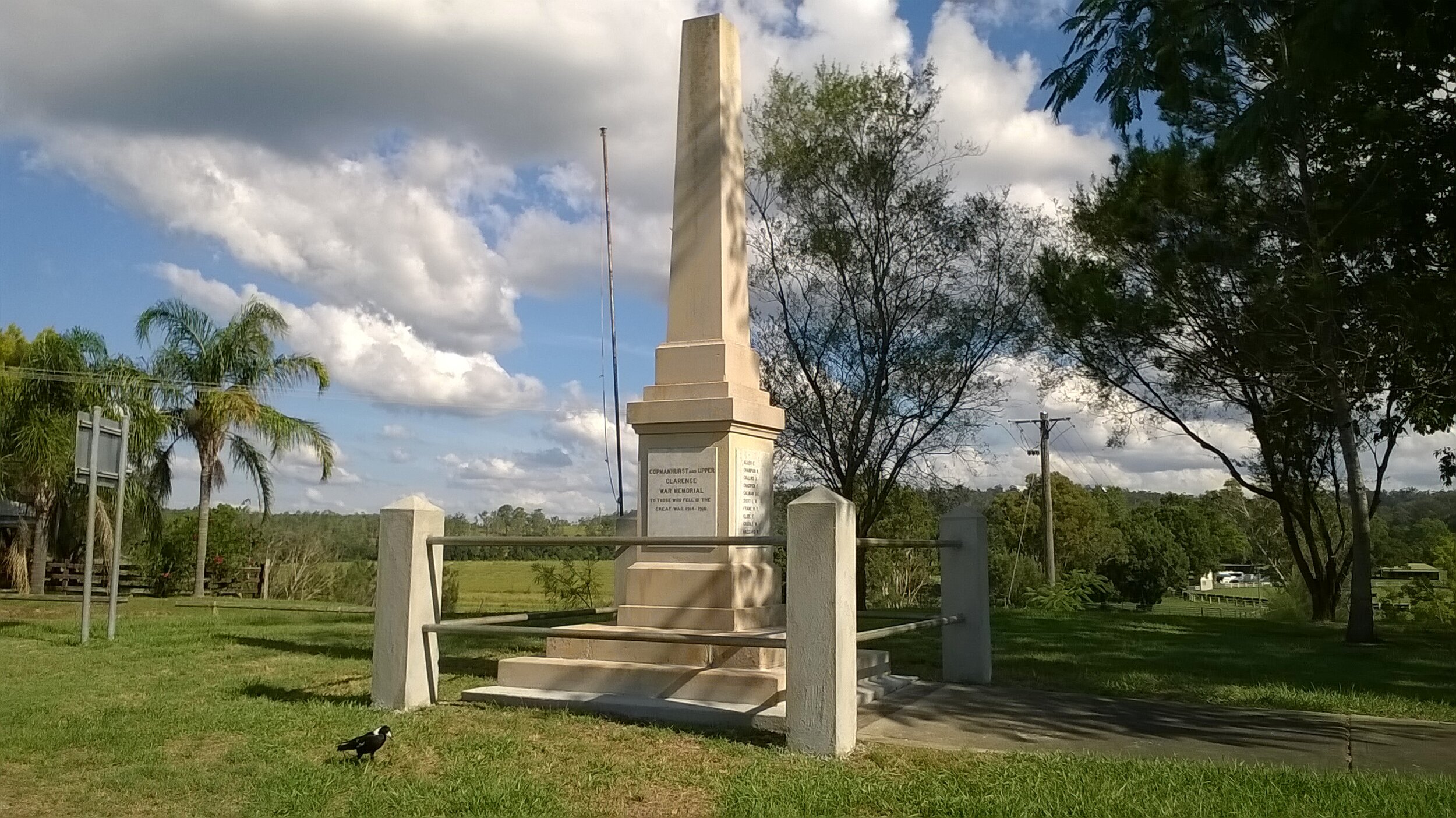
Building sculptures are not just artistic expressions; they are vital components of architectural identity and cultural heritage. Maintaining these sculptures requires specialized knowledge, precision, and an understanding of the materials and the environmental factors involved. Whether crafted from stone, metal, or other materials, sculptures demand regular upkeep to preserve their aesthetic and structural integrity. This article delves into the essential aspects of reliable building sculpture maintenance services, offering insights into the best practices and strategies for ensuring their longevity.
Understanding the Importance of Regular Maintenance
Regular maintenance of building sculptures is crucial for several reasons:
- Preservation of Artistry: Regular care ensures the original artistic intentions are preserved, maintaining the sculpture’s aesthetic appeal.
- Structural Integrity: Routine inspections and cleaning help identify and mitigate structural issues before they escalate.
- Environmental Protection: Sculptures are often exposed to harsh environmental conditions. Maintenance protects them from damage caused by weather, pollution, and biological growth.
- Value Retention: Well-maintained sculptures retain their historical and financial value, which is especially important for heritage properties.
Key Components of Effective Maintenance Services
Inspection and Assessment
Regular inspections are the cornerstone of effective maintenance. These assessments help identify potential problems early, allowing for timely interventions. During inspections, attention should be paid to:
- Surface wear and tear
- Structural weaknesses
- Environmental damage
Comprehensive assessments help in developing tailored maintenance plans. Discover expert strategies here to enhance the efficiency of inspection processes.
Cleaning and Restoration
Cleaning is a vital part of sculpture maintenance. It requires careful selection of cleaning methods and materials to prevent damage. Consider these points:
- Use of non-invasive cleaning techniques
- Application of protective coatings
- Restoration of damaged parts with compatible materials
Professional services offer advanced cleaning solutions that respect the sculpture’s material and historical context. Explore advanced guides and tips on selecting the right cleaning techniques.
Preventative Measures
Preventative care minimizes future damage and extends the life of sculptures. Effective measures include:
- Protective barriers against environmental elements
- Regular application of sealants and coatings
- Implementation of environmental control systems in enclosed spaces
For tailored preventive strategies, learn about our tailored solutions that suit various types of sculptures and environments.
The Role of Expertise in Sculpture Maintenance
Expertise is crucial in maintaining building sculptures. Professionals in this field bring specialized skills and knowledge, ensuring that each sculpture receives the care it deserves. Key benefits of engaging experts include:
- Access to specialized tools and techniques
- In-depth understanding of materials and construction methods
- Ability to implement customized maintenance plans
For those seeking expert care for their sculptures, find out more about this approach to benefit from experienced professionals.
Conclusion
Reliable building sculpture maintenance is not just about preserving the past; it’s about securing the future of these artistic treasures. With regular inspections, meticulous cleaning, and preventative measures, sculptures can continue to inspire and captivate for generations to come. By employing expert services, building owners and caretakers can ensure that their sculptures are maintained with the utmost care and professionalism. Visit this resource to explore comprehensive guides and services tailored to meet the unique needs of sculpture maintenance.
