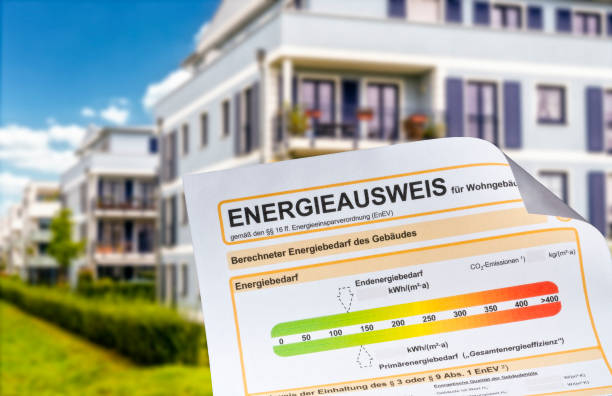
In the quest for sustainability and energy efficiency, energy assessments have become an essential tool for building owners and managers. These assessments provide a detailed evaluation of a building’s energy consumption patterns, identifying opportunities for improvement and cost savings. As energy costs continue to rise and environmental regulations become stricter, understanding and enhancing building performance through energy assessments is more important than ever.
The Importance of Energy Assessments
Energy assessments serve as a comprehensive approach to evaluate and improve a building’s energy performance. They help in identifying inefficiencies and potential areas for energy savings. Here are some reasons why energy assessments are crucial:
- Cost Savings: By pinpointing inefficiencies, energy assessments can help reduce energy costs significantly.
- Environmental Impact: Improving energy efficiency contributes to reducing a building’s carbon footprint.
- Regulatory Compliance: Ensures that buildings meet local and national energy regulations and standards.
Key Components of an Energy Assessment
An energy assessment involves a variety of components, each aimed at analyzing different aspects of a building’s energy use. A typical assessment may include:
Energy Audits
Energy audits are an integral part of energy assessments. They involve a detailed examination of a building’s energy systems and consumption patterns. Auditors look at various elements such as HVAC systems, lighting, and insulation. Read more about this topic.
Benchmarking
Benchmarking involves comparing a building’s energy performance against similar buildings. This can highlight areas where improvements are needed. Learn more in this detailed guide.
Energy Modeling
Energy modeling uses software tools to simulate a building’s energy consumption. This can help predict the impact of potential upgrades and improvements. Explore further insights here.
Steps to Conduct an Effective Energy Assessment
Conducting a thorough energy assessment involves several steps:
- Data Collection: Gather data on energy usage, building design, and operational practices.
- Site Visit: Conduct a walkthrough of the building to observe systems and identify potential issues.
- Analysis: Analyze collected data to identify trends and inefficiencies.
- Reporting: Compile findings into a comprehensive report outlining recommendations for improvement.
Find additional information here.
Benefits of Implementing Energy Assessment Recommendations
Once an energy assessment is complete, implementing the recommended changes can lead to various benefits, such as:
- Reduced Operating Costs: Energy-efficient buildings often experience lower energy bills.
- Increased Property Value: Energy-efficient buildings are attractive to potential buyers and tenants.
- Enhanced Occupant Comfort: Improvements can lead to better indoor air quality and temperature regulation.
Conclusion
Energy assessments are an invaluable tool for any building owner or manager looking to improve energy efficiency and reduce operational costs. By understanding a building’s energy consumption and identifying areas for improvement, energy assessments provide a roadmap for sustainable building management. For those looking to delve deeper into this topic, explore additional insights and resources here.
