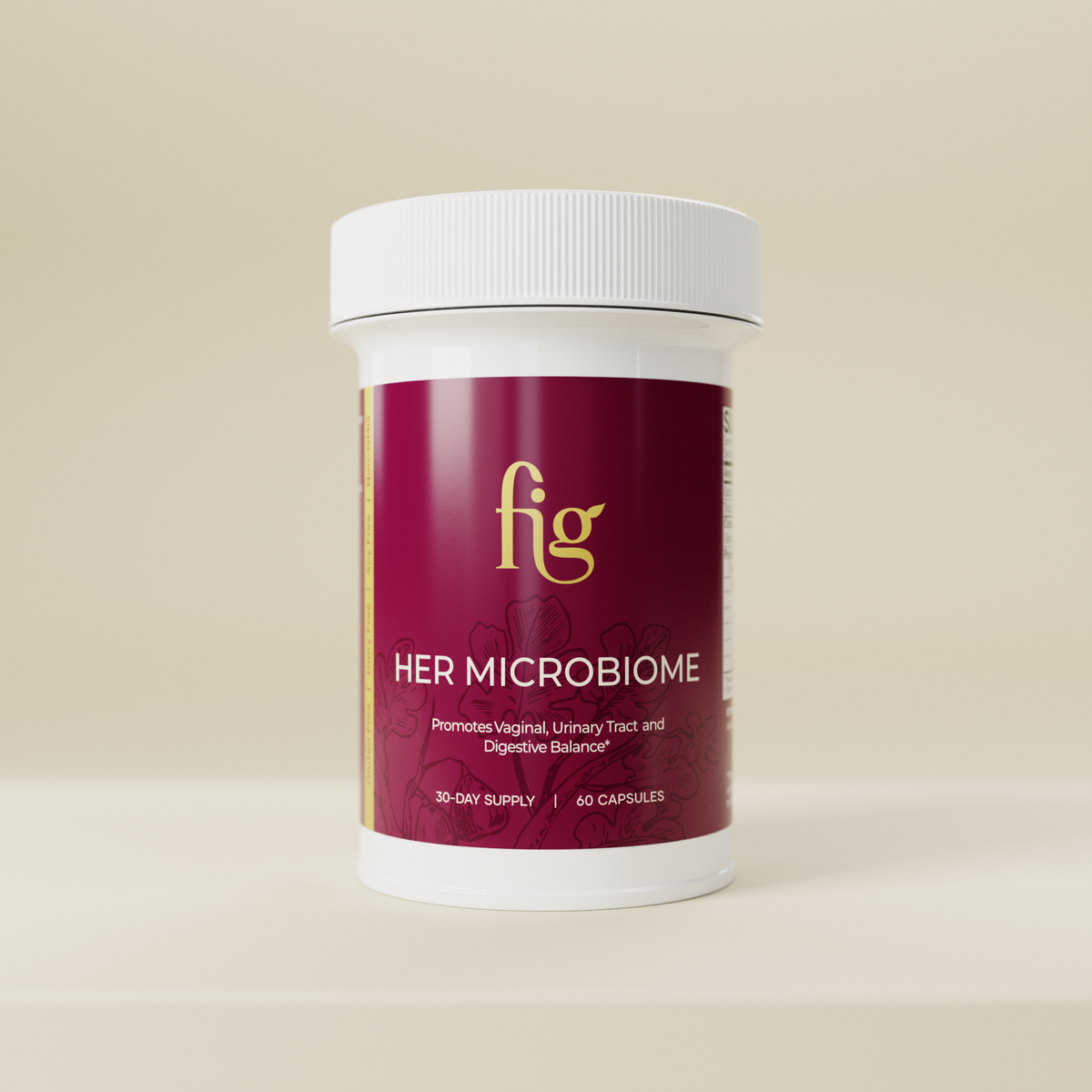
Women’s health is intricately connected to the balance and diversity of the microbiome. This complex ecosystem of microorganisms plays a crucial role in maintaining overall health and well-being, particularly in areas such as the digestive system, skin, and vaginal health. Understanding the factors that influence the microbiome can empower women to make informed choices that support their health. The following sections explore key elements that impact the women’s microbiome, including diet, lifestyle, and specific health supplements like HER Microbiome.
Understanding the Microbiome
The microbiome consists of trillions of bacteria, viruses, and fungi that reside in various parts of the body. It is vital for:
- Digesting food and synthesizing essential vitamins.
- Protecting against harmful pathogens.
- Regulating the immune system.
- Maintaining a healthy balance of hormones.
The Female-Specific Microbiome
Women have unique microbiome compositions, especially in the vaginal and urinary tracts. These areas are particularly sensitive to changes, making them essential to monitor and support.
Key Factors Influencing Women’s Microbiome
Diet and Nutrition
A balanced diet rich in fiber, fruits, and vegetables promotes a healthy microbiome. Probiotics and prebiotics are particularly beneficial as they help maintain the balance of good bacteria.
- Probiotics: Found in yogurt, kefir, and fermented foods.
- Prebiotics: Present in foods like garlic, onions, and bananas.
Additionally, reducing processed foods and sugars can prevent the overgrowth of harmful bacteria.
Lifestyle and Environmental Factors
Lifestyle choices and environmental factors can significantly impact the microbiome. Key considerations include:
- Stress Management: Chronic stress may negatively affect gut health and the microbiome.
- Exercise: Regular physical activity can promote a more diverse microbiome.
- Antibiotic Use: While necessary for treating infections, antibiotics can disrupt the microbiome balance.
Hormonal Changes
Hormonal fluctuations throughout a woman’s life, such as during menstruation, pregnancy, and menopause, can influence the microbiome. Maintaining hormonal balance supports microbiome health, and certain supplements can provide additional support.
Supporting Vaginal Health
The vaginal microbiome is crucial for preventing infections and maintaining reproductive health. It is predominantly composed of Lactobacillus species, which produce lactic acid to keep the vaginal pH low and prevent the growth of harmful bacteria.
Using Targeted Supplements
Supplements designed specifically for women, like HER Microbiome, can play a significant role in supporting vaginal health. These supplements often contain strains of beneficial bacteria to help maintain the natural balance and prevent issues such as bacterial vaginosis or yeast infections.
Conclusion
The microbiome is a vital component of women’s health, influencing everything from digestion to hormonal balance and immune function. By understanding the factors that affect the microbiome, women can take proactive steps to support their health. Emphasizing a nutritious diet, managing stress, and considering targeted supplements can help maintain a healthy microbiome. As research continues to evolve, so does the understanding of the microbiome’s pivotal role in women’s health, underscoring the importance of personalized health strategies.
