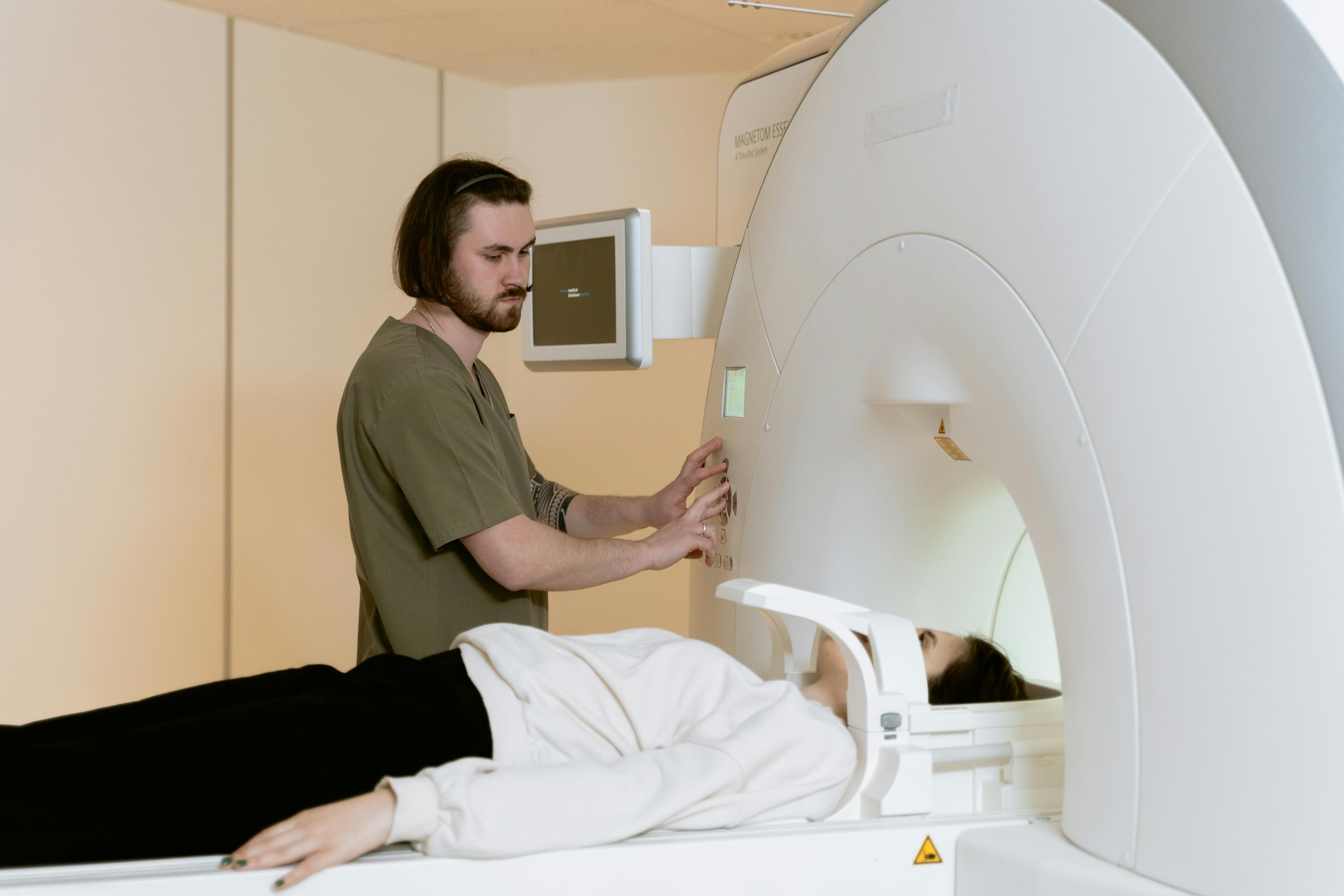
In the realm of modern healthcare, the role of nuclear medicine scans in the diagnostic process has become increasingly pivotal. As a specialized area of medical imaging services, nuclear medicine involves the application of small amounts of radioactive materials to diagnose, evaluate, and treat various conditions. These techniques provide detailed information on both the structure and function of organs and tissues, offering a significant advantage over other imaging modalities. The impact of these scans on diagnosis is profound, offering precision and reliability that can dramatically influence patient outcomes.
The Role of Nuclear Medicine in Diagnostics
Nuclear medicine scans are essential for diagnosing a range of diseases and conditions, including cancers, heart disease, and disorders of the endocrine, gastrointestinal, and neurological systems. These scans are conducted in a nuclear medicine clinic by highly trained professionals.
Key Diagnostic Applications
Some of the critical diagnostic applications of nuclear medicine include:
- Oncology: Identifying cancerous cells and determining the spread of cancer within the body.
- Cardiology: Evaluating heart function and detecting coronary artery disease.
- Neurology: Assessing brain abnormalities and diagnosing disorders such as Alzheimer’s disease.
- Endocrinology: Diagnosing thyroid disorders through advanced diagnostic imaging.
Advantages of Nuclear Medicine Imaging
The advantages of nuclear medicine imaging are numerous, providing both patients and healthcare professionals with critical insights into various health conditions.
Precision and Accuracy
One of the most significant benefits of nuclear medicine scans is their ability to offer precise and accurate diagnostic information. This precision helps in:
- Early detection of diseases, often before symptoms appear.
- Monitoring the effectiveness of treatments, allowing healthcare providers to adjust plans as necessary.
- Evaluating organ function and detecting abnormalities that might not be visible through other radiology imaging services.
Integration with Other Diagnostic Techniques
Nuclear medicine is often used in conjunction with other diagnostic imaging techniques to provide a comprehensive analysis of a patient”?s condition. This integration enhances the diagnostic process by:
- Providing a multi-dimensional view of the organ or tissue under examination.
- Allowing for comparisons with other imaging results to confirm findings.
- Enabling a more thorough evaluation through integrated radiological imaging services.
Conclusion
The impact of nuclear medicine scans on diagnosis is undeniable, offering unparalleled insight into the human body. With the ability to detect diseases early and monitor the effectiveness of therapies, these scans are an invaluable tool in the field of advanced diagnostic imaging. As technology continues to evolve, the future of nuclear medicine holds even greater potential for improving patient care and outcomes.
