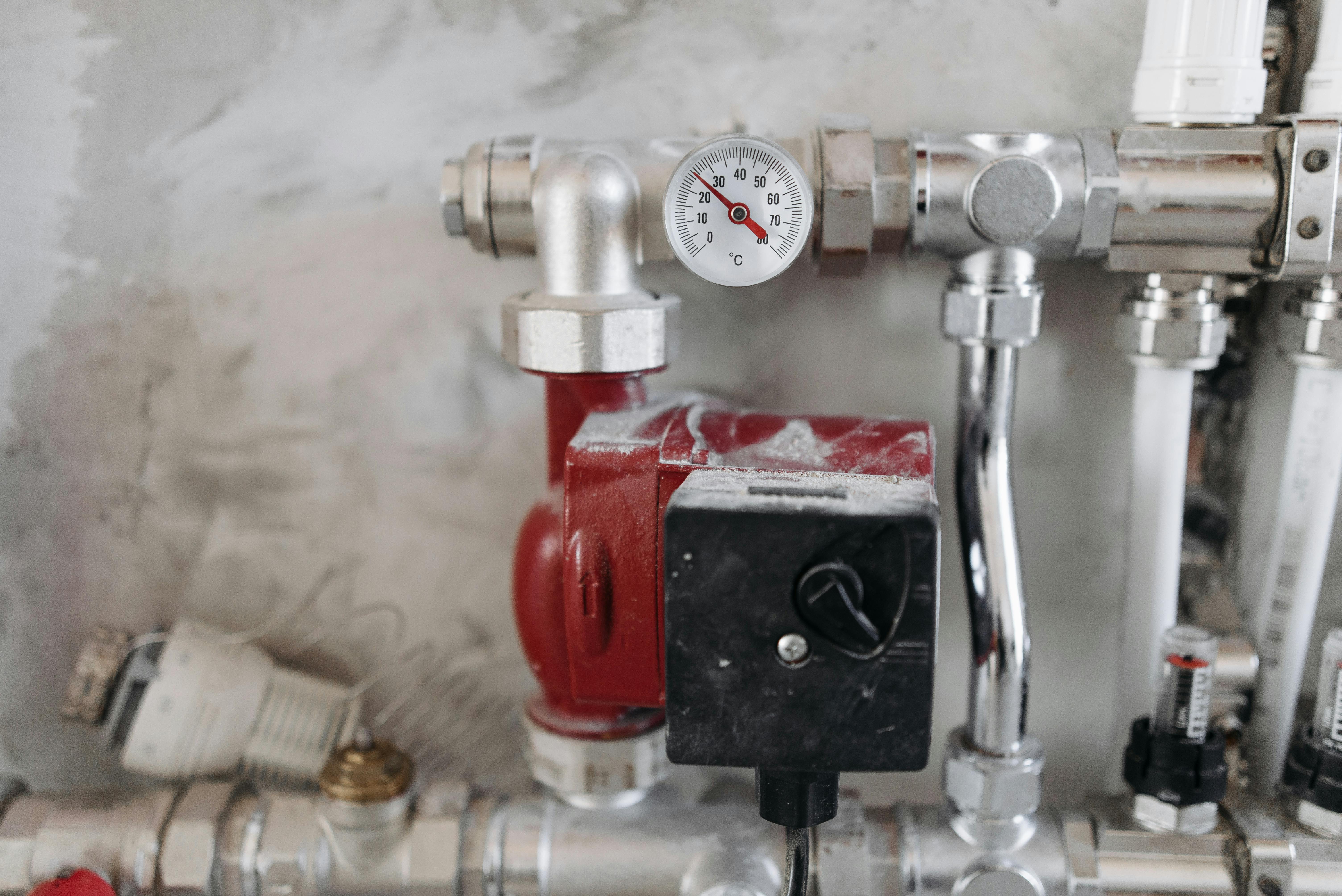
When it comes to maintaining a warm and comfortable indoor environment during the colder months, ducted heating systems stand out as a popular choice. These systems offer an efficient way to heat an entire home or commercial space by distributing warm air through a network of ducts. Understanding the different aspects of ducted heating systems can help in making informed decisions for installation and maintenance. This article explores the components, benefits, and considerations of ducted heating systems, providing a comprehensive guide to achieve maximum comfort.
Components of Ducted Heating Systems
A ducted heating system consists of several key components that work together to provide a seamless heating experience:
- Heating Unit: Typically located outside or in a central location, the heating unit generates warm air.
- Ductwork: A network of ducts that distribute warm air throughout the building. Proper duct installation is crucial for efficiency.
- Vents and Grilles: These are installed in each room to allow the warm air to flow from the ducts into the living spaces.
- Thermostat: Controls the temperature settings and can be programmed for different times of the day to optimize energy use.
For a deeper understanding of the components and their functions, explore further insights here.
Benefits of Ducted Heating Systems
Ducted heating systems offer numerous advantages, making them a preferred heating solution for many property owners:
- Even Temperature Distribution: Ensures that every room maintains a consistent temperature, eliminating cold spots.
- Energy Efficiency: Modern systems are designed to maximize energy use, reducing utility bills while maintaining comfort.
- Discreet Design: With most components hidden away, they do not interfere with the aesthetics of the interior space.
- Customization: Allows for zoning, which means different areas can be heated independently according to preference.
To learn more about how ducted systems can improve energy efficiency, find additional information here.
Considerations for Installation
Before deciding on a ducted heating system, consider the following factors:
- Space and Layout: Assess the available space for ductwork and the heating unit. Ensure the design can accommodate the system efficiently.
- Insulation: Proper insulation is essential to enhance the performance of the heating system and reduce heat loss.
- Professional Installation: Hiring experienced professionals ensures the system is installed correctly and safely.
- Maintenance: Regular maintenance is crucial for efficient operation and longevity of the system.
For more insights on installation and maintenance best practices, read more about this topic.
Conclusion
Ducted heating systems provide an effective and efficient way to heat homes and commercial spaces, offering numerous benefits such as even temperature distribution and energy savings. By understanding the components, benefits, and installation considerations, property owners can make informed decisions that result in maximum comfort and efficiency. Whether upgrading an existing system or considering a new installation, ducted heating systems are a reliable choice for maintaining a warm and cozy indoor environment throughout the year. Learn more in this detailed guide to ensure your heating system meets your needs effectively.
