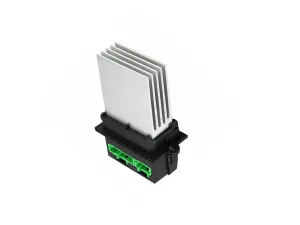
The blower motor resistor is an essential component in a vehicle’s climate control system, responsible for regulating the speed of the blower motor fan. Understanding the signs of a faulty blower motor resistor is crucial for maintaining a comfortable driving environment and ensuring the system functions efficiently. This article explores common symptoms of a defective blower motor resistor and provides guidance on identifying and addressing these issues promptly. Identifying these signs early can prevent further damage to the climate control system and avoid costly repairs.
Understanding the Role of the Blower Motor Resistor
The blower motor resistor is a vital part of the HVAC system in vehicles, responsible for controlling the fan speed. It allows the fan to operate at different speeds by varying the electrical resistance, which in turn adjusts the current flowing to the blower motor. When functioning correctly, it enables precise control over the airflow inside the vehicle.
Common Signs of a Faulty Blower Motor Resistor
A malfunctioning blower motor resistor can manifest in several ways, affecting the comfort and functionality of your vehicle’s climate control system. Here are some common indicators:
- Inconsistent Fan Speeds: If the fan operates at only one speed or fails to adjust to different speed settings, it may indicate a defective blower motor fan resistor.
- No Airflow at Certain Settings: A clear sign of a faulty resistor is when the fan does not work at specific speed settings but functions at others.
- Complete Loss of Fan Functionality: In some cases, the blower motor may stop working entirely if the resistor fails, resulting in no airflow from the vents.
- Overheating Resistor: A malfunctioning resistor can generate excessive heat, sometimes causing a burnt smell. This can be a dangerous situation that requires immediate attention.
- Intermittent Operation: If the fan works sporadically, turning on and off without any changes in settings, it could be a symptom of an issue with the resistor.
Diagnosing and Addressing the Problem
Visual Inspection
A visual inspection of the resistor and its connections can help identify any visible damage or corrosion. Look for signs of burnt components or loose wiring, which can cause malfunctioning.
Testing the Resistor
Using a multimeter, one can test the resistance across the terminals to determine if the blower motor resistor is functioning correctly. Deviations from the expected resistance values indicate a problem with the component.
Replacing a Faulty Resistor
If the blower motor resistor is determined to be faulty, replacing it is often the most effective solution. Ensure the replacement part is compatible with the vehicle model to avoid further issues.
Preventive Measures and Maintenance
Regular maintenance of the vehicle?s HVAC system can prevent issues with the blower motor resistor. Here are some tips to ensure optimal performance:
- Regular Inspections: Periodically check the blower motor resistor and its connections for any signs of wear or damage.
- Keep the System Clean: Dust and debris can accumulate within the HVAC system, potentially affecting the blower motor and resistor. Regular cleaning can prevent blockages and overheating.
- Professional Servicing: Routine servicing by a professional can help identify potential issues before they become significant problems, ensuring the system remains functional.
Understanding the role and common issues associated with a blower motor resistor can help in maintaining a vehicle’s climate control system effectively. Regular checks and timely replacement of defective components will ensure a comfortable and safe driving experience.
