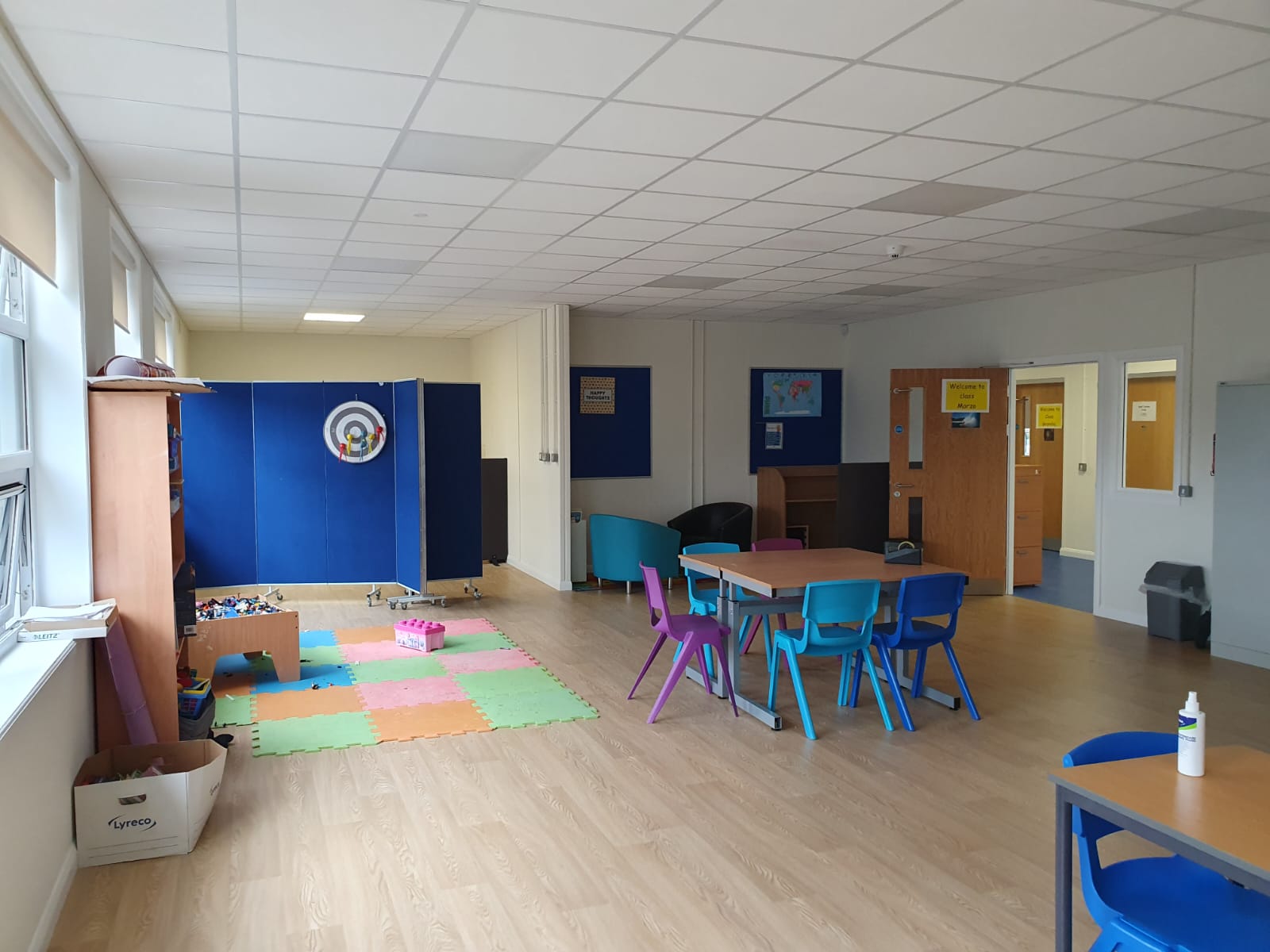
In recent years, the landscape of higher education has been evolving rapidly, prompting universities to reassess their physical environments. In Ireland, the introduction of modular university buildings has revolutionized flexible learning spaces, offering institutions the agility and versatility needed to meet the changing demands of both students and educators. These modular structures are not merely a response to space constraints but a strategic asset in creating dynamic learning environments that foster collaboration, innovation, and adaptability.
The Concept of Flexible Learning Spaces
Flexible learning spaces are designed to accommodate diverse teaching methods and learning styles, making education more accessible and engaging. This approach emphasizes the need for environments that can be easily reconfigured to support various academic activities.
- Adaptable furniture that can be rearranged to suit different teaching formats.
- Technology integration to support digital learning tools and platforms.
- Spaces designed for both individual study and collaborative group work.
- Open areas that encourage interaction and spontaneous discussions.
Universities adopting this model are better positioned to cater to the needs of modern students, who demand a more interactive and flexible learning experience. Discover expert strategies here.
Modular University Buildings: A Game Changer
Modular buildings are prefabricated structures that offer significant advantages in terms of speed, cost, and flexibility. In the context of Irish universities, these structures have become invaluable in supporting the educational sector’s evolving needs.
Benefits of Modular Construction
Modular construction offers several benefits that align well with the requirements of modern educational facilities:
- Speed of Construction: Modular buildings can be constructed in a fraction of the time it takes to build traditional structures, minimizing disruption to ongoing educational activities.
- Cost Efficiency: The prefabrication process reduces labor costs and material waste, offering a more economical solution for expanding educational facilities.
- Environmental Sustainability: Modular buildings are often more sustainable, using eco-friendly materials and processes that reduce the carbon footprint.
Find out more about this approach and its effectiveness in educational settings here.
Implementation in Irish Universities
The adoption of modular buildings in Irish universities has been met with enthusiasm, as these structures address several pressing challenges faced by higher education institutions.
Addressing Space Constraints
With increasing student populations, universities often struggle to provide adequate space. Modular buildings offer a quick and effective solution to this problem, allowing institutions to expand their capacity without long delays.
Enhancing Learning Environments
These flexible spaces provide an enriched learning environment that supports modern educational practices. By facilitating active learning and collaboration, modular buildings enhance the overall educational experience.
Supporting Diverse Educational Needs
The versatility of modular buildings allows universities to create tailored solutions for various programs and departments. Whether it’s a state-of-the-art science lab or a creative arts studio, modular construction can accommodate specific needs. Learn about tailored solutions for educational spaces here.
Looking to the Future
As universities in Ireland continue to navigate the complexities of modern education, modular buildings provide a sustainable and strategic path forward. The continuous evolution of flexible learning spaces will play a crucial role in shaping the future of higher education, ensuring that institutions remain adaptive and resilient in the face of change.
Explore advanced guides and tips on implementing modular solutions in educational settings here.
In summary, the integration of modular buildings into university campuses represents a forward-thinking approach to education in Ireland. By embracing flexibility and innovation, these institutions are not only meeting the current needs of their students and staff but are also preparing for the demands of the future.
