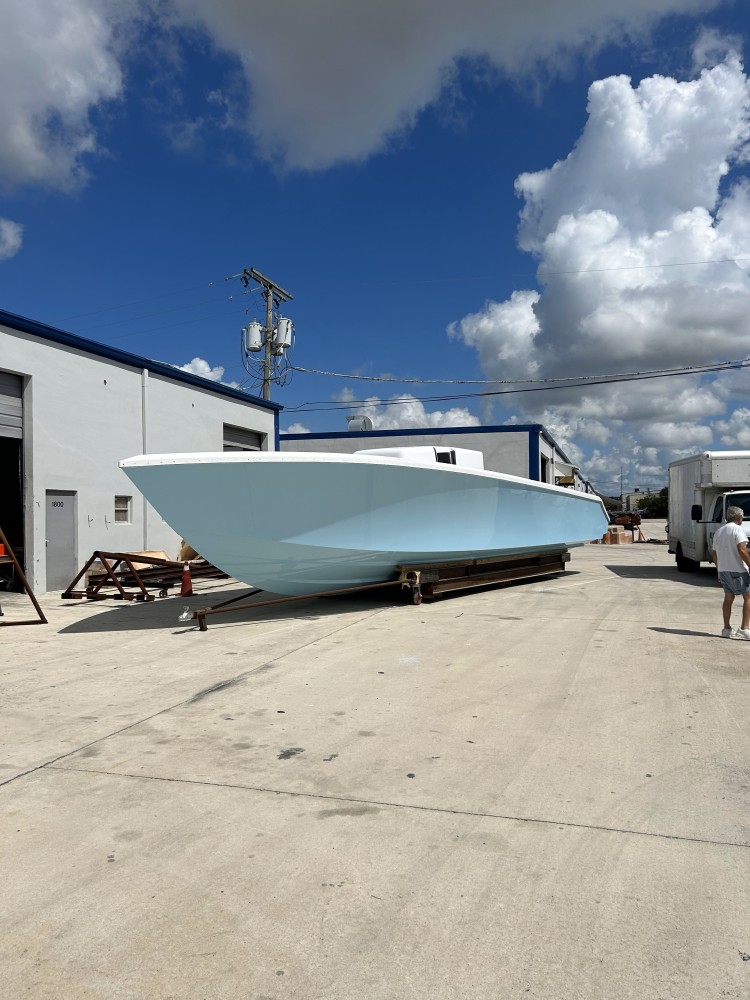
Are you ready to embark on a thrilling journey across the open seas, feeling the wind in your hair and the salty mist on your skin? Look no further than Boatworks Bahama, a renowned name in the world of luxury boat manufacturing. With their top-of-the-line vessels, you can unleash your inner adventurer and set sail for unforgettable experiences on the water.
Why Choose Bahama Boatworks?
When it comes to choosing a boat for your adventures, Bahama Boatworks stands out for several compelling reasons:
Exceptional Quality
- Each Bahama Boatworks vessel is crafted with meticulous attention to detail and precision engineering, ensuring top-notch quality and performance.
- Only the finest materials are used in the construction of these boats, guaranteeing durability and longevity even in the harshest marine environments.
Customization Options
- Bahama Boatworks offers a range of customization options, allowing you to personalize your vessel to suit your specific preferences and needs.
- You can choose from a variety of features, amenities, and finishes to create a boat that is truly unique and tailored to your tastes.
Exploring the Open Seas
Once you have chosen your Bahama Boatworks vessel, it's time to set sail and explore the open seas. Here are some of the incredible experiences that await you:
Island Hopping
One of the greatest joys of boating is the opportunity to explore a variety of islands and coastal destinations. With your Bahama Boatworks vessel, you can:
- Discover secluded beaches and hidden coves that are only accessible by boat.
- Immerse yourself in the natural beauty of remote islands and pristine marine environments.
- Embark on a journey of discovery as you hop from one island paradise to the next.
Deep-Sea Fishing
For those who love the thrill of the chase and the satisfaction of a big catch, deep-sea fishing is a must-do activity. With your Bahama Boatworks vessel, you can:
- Head out to sea in search of game fish such as marlin, tuna, and swordfish.
- Enjoy the thrill of battling a powerful fish as you reel it in with the help of top-of-the-line fishing equipment.
- Create lasting memories with friends and family as you share in the excitement of a successful fishing expedition.
Safety and Comfort
When it comes to exploring the open seas, safety and comfort are of utmost importance. Bahama Boatworks prioritizes these aspects to ensure that your boating experience is not only thrilling but also secure and enjoyable:
Stability and Control
- Bahama Boatworks vessels are designed with stability and control in mind, providing a smooth and comfortable ride even in rough waters.
- Advanced navigation and control systems help you maneuver your boat with ease and precision, giving you peace of mind as you navigate the seas.
Luxurious Amenities
- From plush seating and state-of-the-art entertainment systems to gourmet galley kitchens and spacious cabins, Bahama Boatworks vessels are equipped with luxurious amenities that enhance your boating experience.
- You can relax in style and comfort as you cruise the open waters, enjoying all the conveniences of home in a stunning marine setting.
Conclusion
With Bahama Boatworks, you can truly unleash your inner adventurer and experience the wonders of the open seas in style and luxury. Whether you're island hopping, deep-sea fishing, or simply cruising along the coastline, these exceptional vessels provide the perfect platform for unforgettable adventures on the water. So why wait? Get ready to set sail and embark on an incredible journey with Bahama Boatworks today!