Stanchion posts have become an essential part of crowd control and queue management in various businesses and public spaces. These versatile posts are not only functional but can also enhance the aesthetics of your business premises. Investing in high-quality stanchion posts can help you create organized and visually appealing barriers that can guide customers, visitors, and employees effectively. Let's explore how these stanchion posts can benefit your business.
Benefits of High-Quality Stanchion Posts
Improved Crowd Control
- Efficiently manage queues and crowds in busy areas.
- Ensure smooth flow of foot traffic during events or promotions.
- Prevent chaos and confusion by clearly defining restricted areas.
Enhanced Safety and Security
- Create physical barriers to restrict access to restricted areas.
- Prevent accidents and injuries by guiding people away from hazardous zones.
- Provide a sense of security to customers and employees in crowded spaces.
Brand Visibility and Promotion
- Customize stanchion posts with your brand logo or message for promotional purposes.
- Enhance brand visibility and create a cohesive look in your business environment.
- Attract attention and create a lasting impression on customers with branded stanchion posts.
Types of Stanchion Posts
Retractable Belt Stanchions
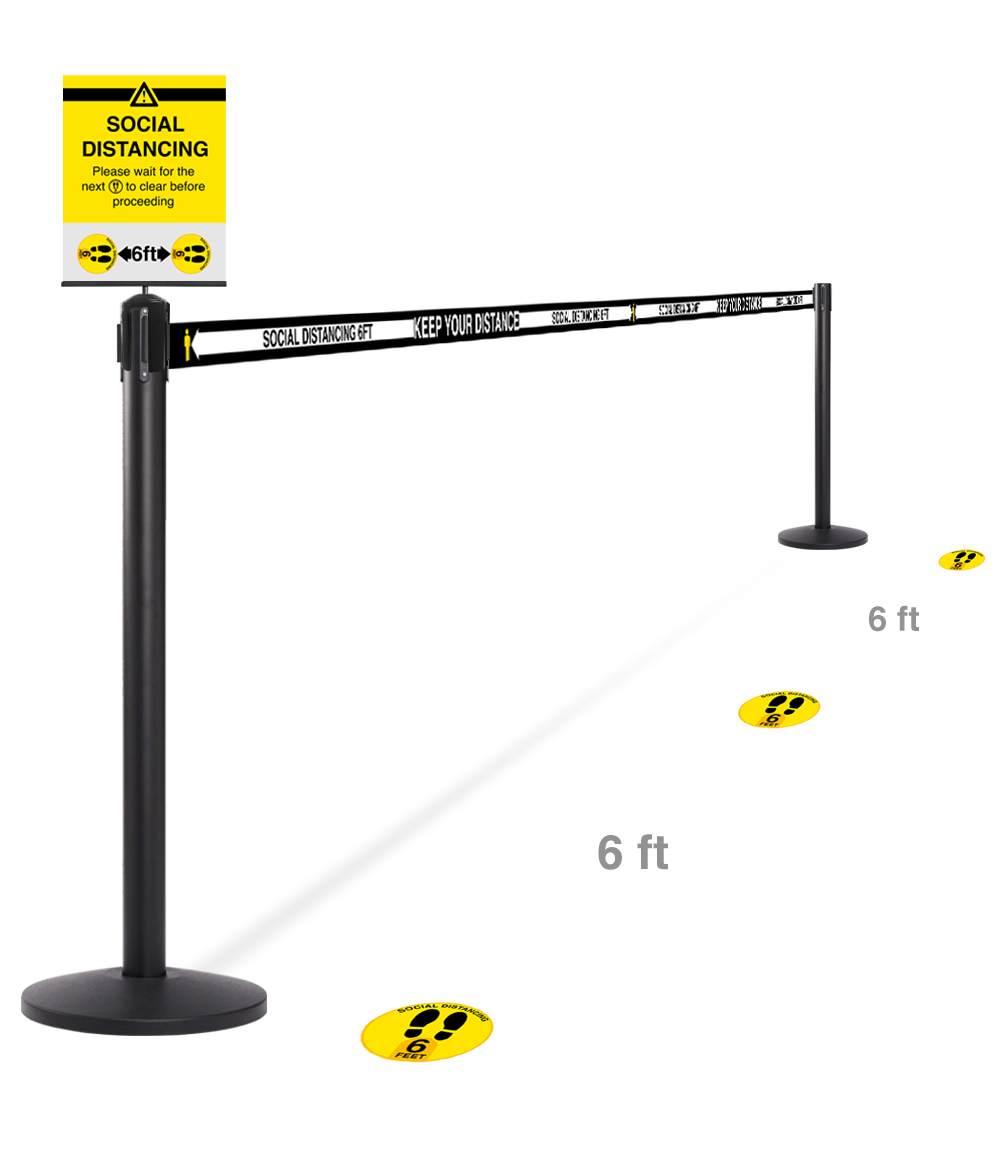
Retractable belt stanchions are versatile crowd control solutions that feature extendable belts that can be easily connected to create barriers. These posts are ideal for areas where flexibility is required, such as ticket counters, airports, and retail stores.
Rope Stanchions
Rope stanchions exude elegance and are commonly used in upscale establishments such as museums, theaters, and luxury hotels. These posts feature velvet ropes that can be attached between posts to create a sophisticated barrier.
Decorative Stanchions
Decorative stanchions are designed to add a touch of style to your business premises. These posts come in various designs and finishes to complement different types of décor. They are perfect for creating a visually appealing queue management system.
Factors to Consider When Choosing Stanchion Posts
Material
- Stainless steel posts offer durability and a modern look.
- Chrome posts provide a sleek and polished appearance.
- Aluminum posts are lightweight and easy to move around.
Base Type
- Flat bases offer stability on flat surfaces.
- Dome bases are ideal for carpeted areas and prevent floor damage.
- Weighted bases provide extra stability in high-traffic areas.
Additional Features
- Signage options for displaying important messages or promotions.
- Locking mechanisms to secure the position of the belt or rope.
- Customization options for branding purposes.
Conclusion
High-quality stanchion posts are versatile tools that can enhance the functionality and aesthetics of your business space. By investing in the right type of stanchion posts, you can improve crowd control, enhance safety and security, promote your brand, and create a positive impression on your customers. Consider the various types and features of stanchion posts available to choose the best option for your business needs.